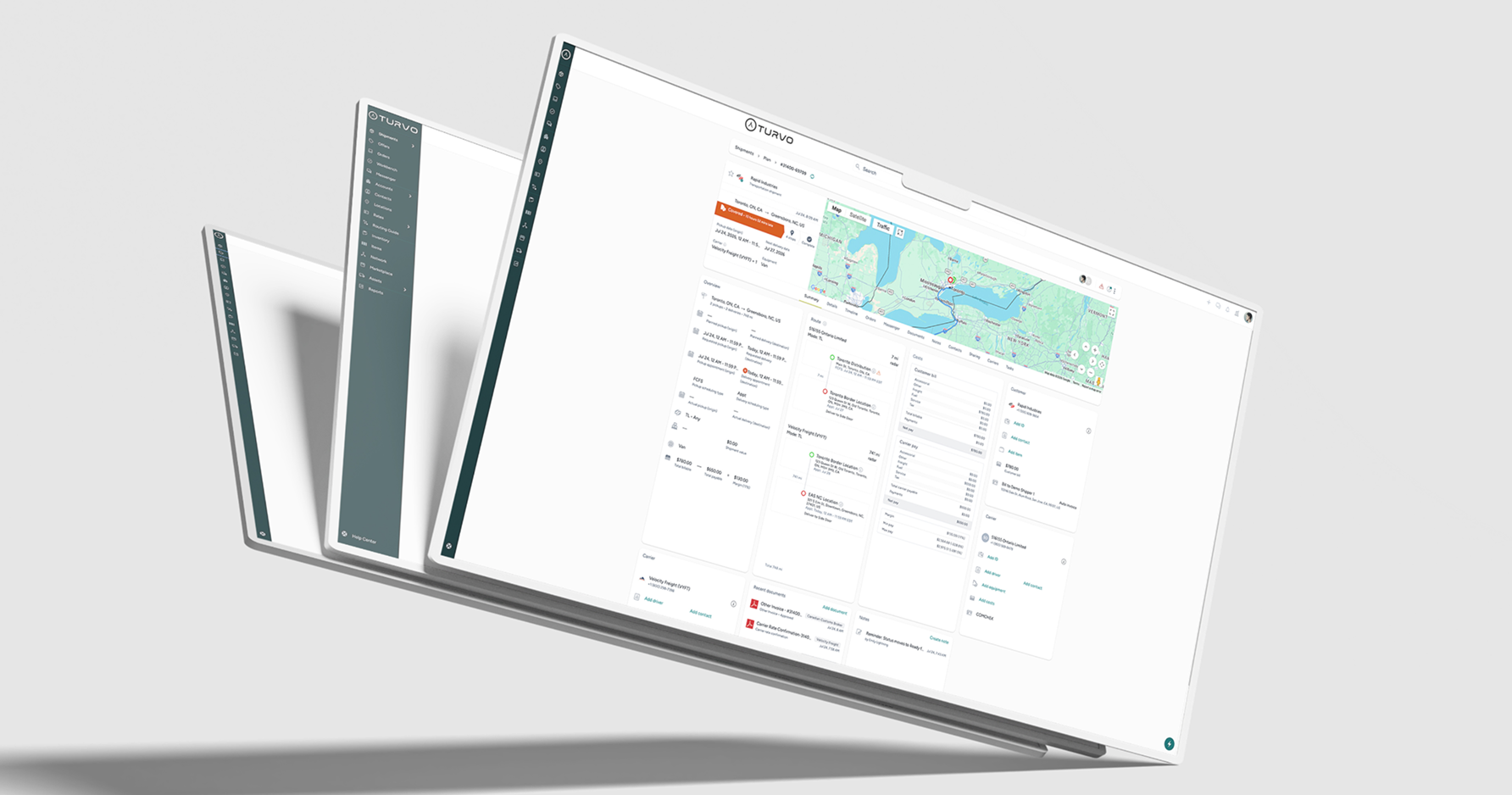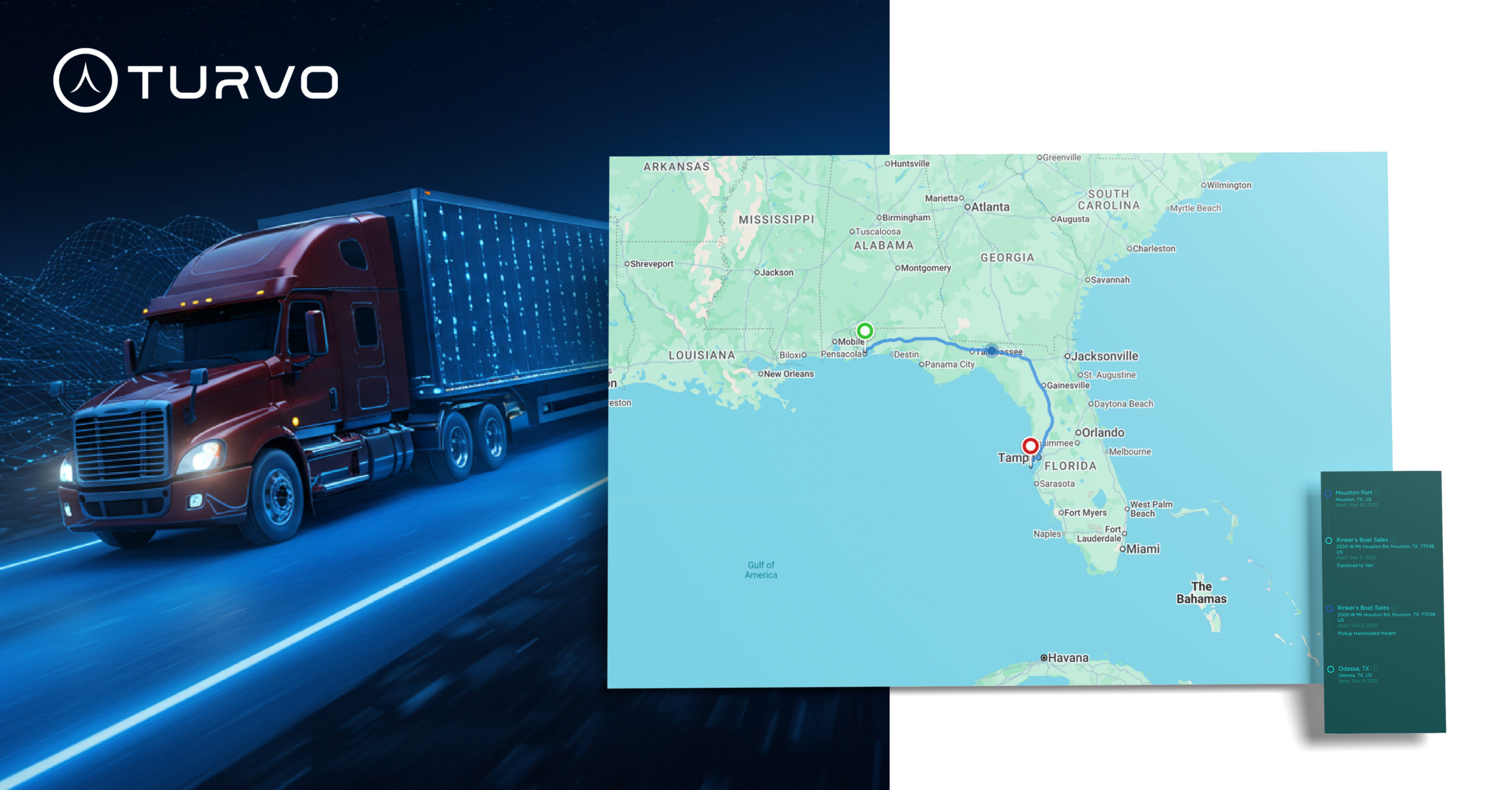


As global demand climbs, supply chain disruption will likely always be an issue. While management cannot always solve each problem or prevent each disruption, they can mitigate certain risks. The chief concern lies in the ability to manage and resolve over, short, and damaged (OS&D) and other costly issues. Implementing technology that shares shipment details in real-time, digital management methods, analytic utilization, and system integration will help modernize the supply chain processes and keep shipments flowing without delay.
1. Share Shipment Details in Real-Time
As the pandemic sees more of the world reopen, the number of shipments increases, making shipment tracking even more important. According to Inbound Logistics, 2020 went through an 18-month cycle in record time, and no professional or forecast could have predicted such growth. With e-commerce trending upward, it increases the likelihood of repeating those trends and paves the way for more supply chain disruption. Collaborative technology can share shipment details in real-time, keeping freight organized and everyone on the same page.
2. Eliminate Confusion With Digital Document Management
Another way to navigate the current market is by implementing technology like digital document management. This can consolidate the amount of manual documentation while instantly uploading the files. Instantaneous uploading allows everyone to access the information when they need it. Providing this service eliminates confusion and keeps visibility clear with concise, up-to-date information that helps reduce supply chain disruption.
3. Use Analytics to Track the Health of Your Business
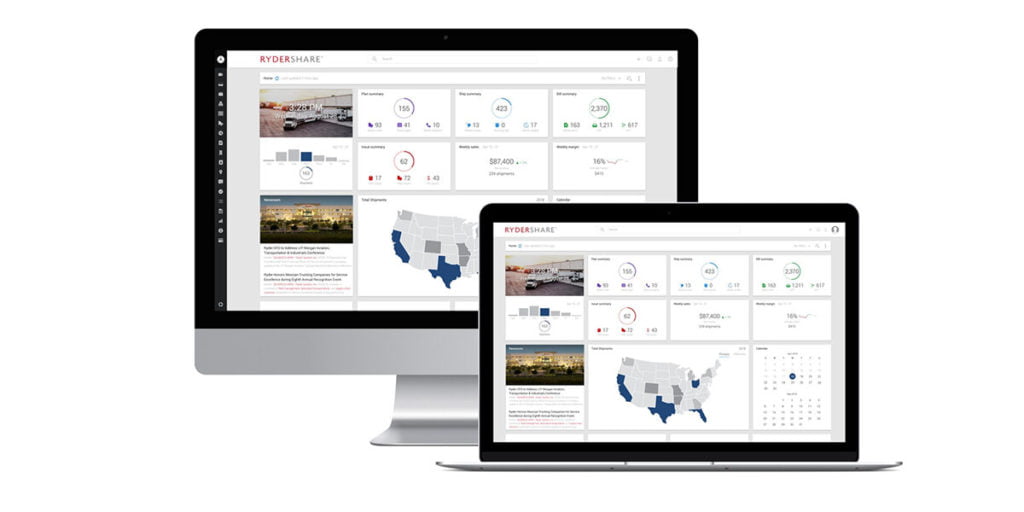
Using analytics helps combat supply chain inefficiencies and monitor the health of a business. Manual processes cannot locate opportunities for optimization quickly. By upgrading or implementing technology that can connect and collaborate with existing software, companies can grasp where they stand for efficient, profitable practices. Analytics tracks industry trends, can ensure compliance, and help management understand the metrics of their business. Monitoring these can decrease supply chain disruption and confusion.
4. Shorten the Payment Clock With Integrated Freight Settlement
Outdated methods of supply chain data analytics can cause freight payment delays. Other issues, such as the lack of transparency or visibility or other typical invoicing errors, contribute to freight payment problems. With integrated freight settlement, supply chain disruption associated with untimely payment processing decreases. Faster payment practices enable more immediate load execution, which boosts productivity and profitability.
5. Integrate All Systems
The use of real-time freight analytics and mass system integration can eliminate the majority of supply chain disruption. Collaborative technology like TMS, WMS, and other software work together to consolidate data and optimize shipment methods. This serves the ultimate customer better by reducing delays and keeping carriers accountable for freight. All systems work in tandem and provide real-time updates. Digital freight management platforms help teams thrive and keep work the main focus.
Overcome Supply Chain Disruption by Choosing Turvo
Overcoming these obstacles is more accessible when the right technology and the right partner come together. Integrating and updating software like digital document management reduces the amount of back-office work and keeps management where they need to be. As well as productivity, these improvements mean shippers can focus on their customers and their demands. Put supply chain disruption in the past and contact Turvo today.