

Key Takeaways
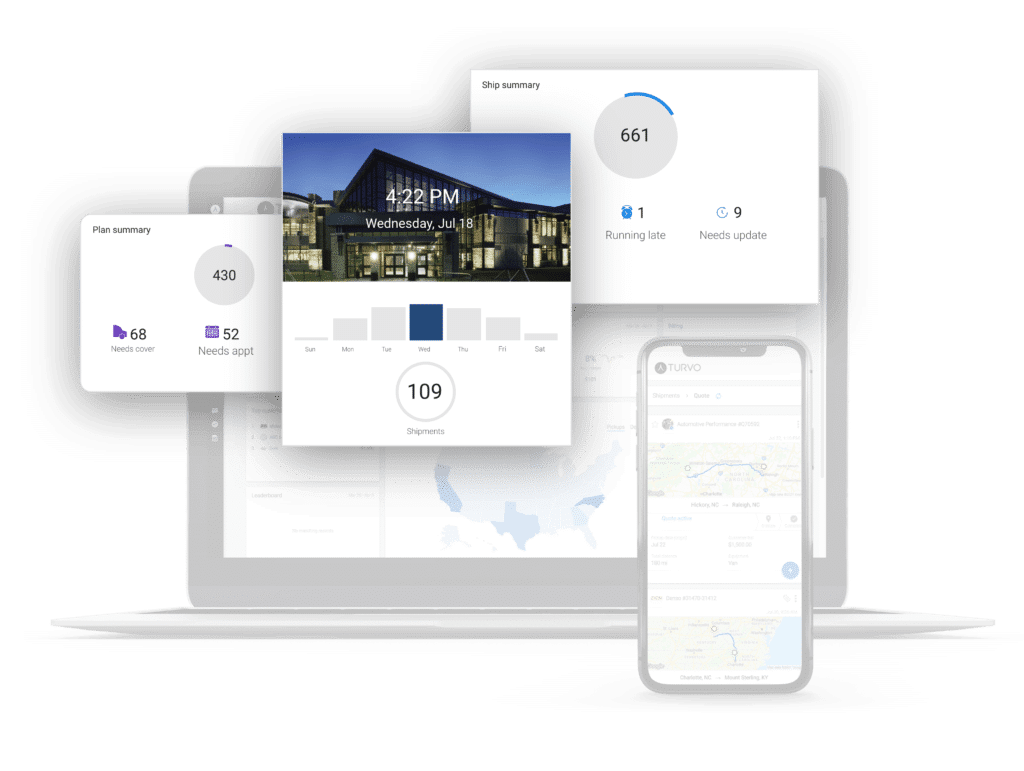
- Turvo stands out for freight brokers and 3PLs that need visibility connected directly to freight execution, combining shipment status with customer and carrier collaboration, documents, orders, appointments, analytics, and the workflows used to resolve exceptions.
- Infios Transportation Management is better suited to complex global and multimodal visibility requirements, with order- and SKU-level tracking, ocean container visibility, predictive risk identification, and connections to broader supply chain systems.
- McLeod Software is a stronger fit for carriers, private fleets, and brokerages with asset-focused visibility needs, bringing driver, equipment, dispatch, shipment tracking, telematics, and third-party visibility integrations into transportation workflows.
Learning about a delivery problem after the appointment is missed leaves your team with fewer choices. The receiving window may be gone, the truck may face a long wait, and your customer may already be dealing with the disruption.
Supply chain visibility software should give your business more time to respond. The buying question is whether a platform helps your team identify a risk early enough to change the outcome, and whether it covers the shipments your operation depends on.
This guide compares the best supply chain visibility software platforms, highlighting where each fits, what information it provides, and which limitations matter when evaluating its practical value.
What is Supply Chain Visibility Software?
Supply chain visibility software is a technology solution that helps businesses track and monitor the movement of goods, orders, and shipments across their supply chain. It brings together information from carriers, suppliers, warehouses, transportation management systems (TMS), and tracking providers into a centralized platform.
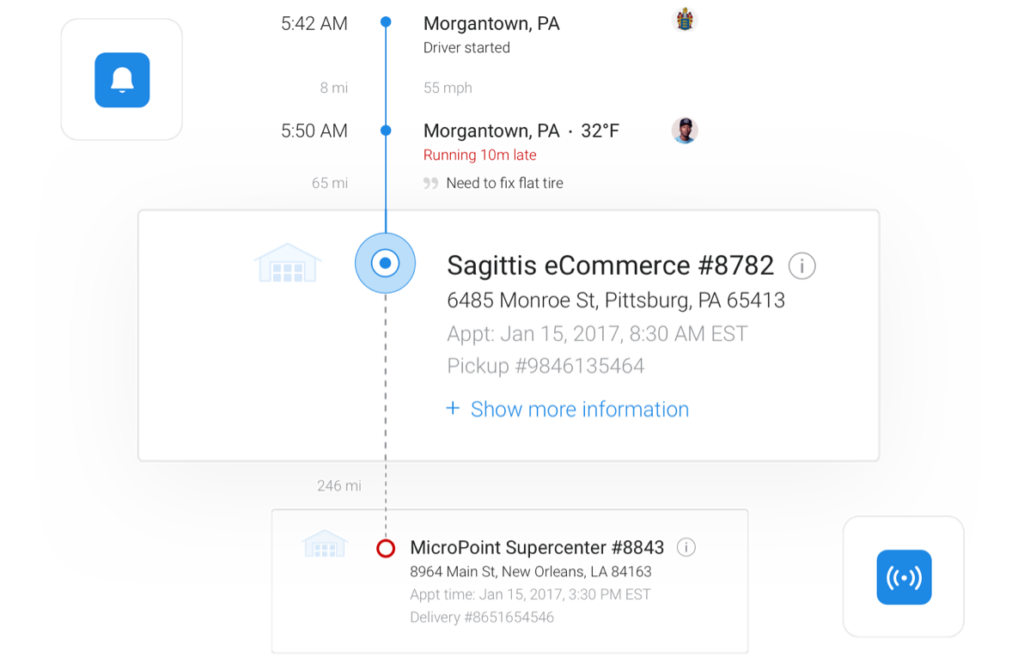
The software provides real-time or near-real-time updates on shipment locations, delivery statuses, estimated arrival times, and potential disruptions. Features such as automated alerts, predictive ETAs, and collaborative shipping exception management help teams identify delays and respond before they affect customers.
By improving visibility across transportation and logistics operations, businesses can reduce manual tracking, improve coordination with supply chain partners, and make more informed decisions about inventory, deliveries, and customer service.
1. Turvo: Best for Brokers and 3PLs Connecting Visibility With Freight Execution
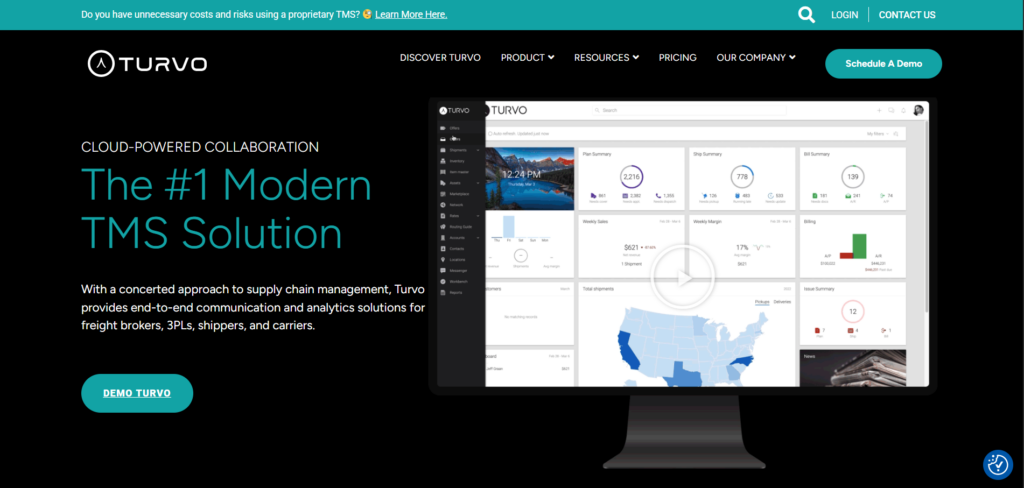
Turvo helps freight brokers and 3PLs turn shipment information into coordinated action. Its supply chain visibility capabilities sit within a collaborative transportation management system, giving teams access to freight status alongside the conversations, documents, and operating details needed to manage it.
That combination is useful when a location update leaves important questions unanswered. Which customer order is affected? Does the receiving facility know about the delay? Has anyone contacted the carrier? Turvo brings the surrounding information into the transportation workflow so employees can investigate and respond.
Its visibility extends across inbound and outbound shipments, orders, and connected inventory and facility information. Customers and carriers can participate through shared shipment access, while integrations bring information from other logistics systems into the operation.
For buyers comparing supply chain visibility software, Turvo’s strongest fit is a brokerage or 3PL that also needs to manage the freight it monitors. The value comes from connecting visibility with planning, partner communication, exception handling, and settlement.
Key Capabilities and Benefits
1. Understand Shipment Progress Without Reconstructing the Story
Turvo keeps shipment activity, communication, and documents together, helping employees understand how a movement is progressing and what still needs attention.
A shipment marked “delivered” may still have an unresolved customer question or missing paperwork. When those details live elsewhere, the status alone gives an incomplete picture of the remaining work.
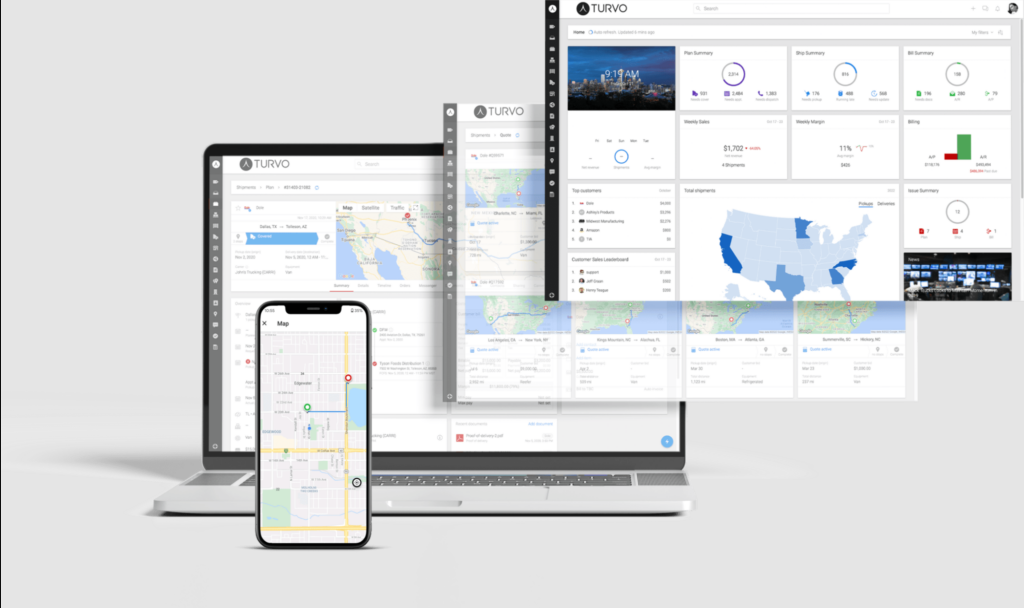
Within Turvo’s shipment execution environment, teams can review the movement alongside its supporting information. Customer service can see the available context before answering a question, and operations can carry that context forward as the shipment moves toward settlement.
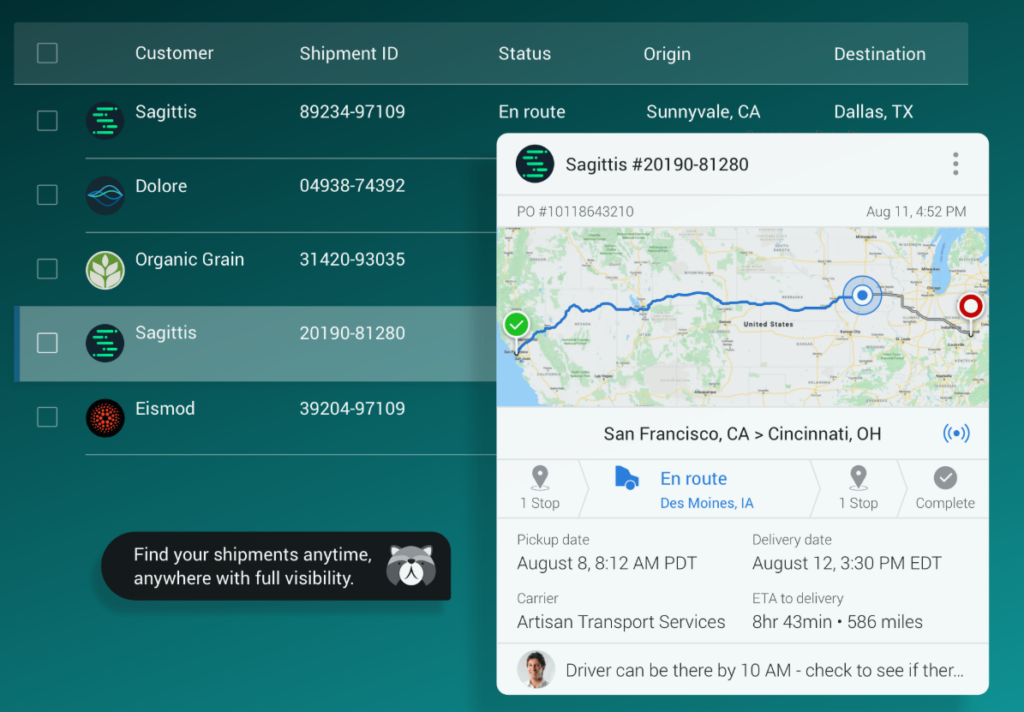
For a growing brokerage, this reduces the effort spent rebuilding the same story for different departments. Employees have a clearer starting point for their next task, helping the business manage more freight without multiplying routine information requests.
2. Give Customers Direct Access to the Updates They Need
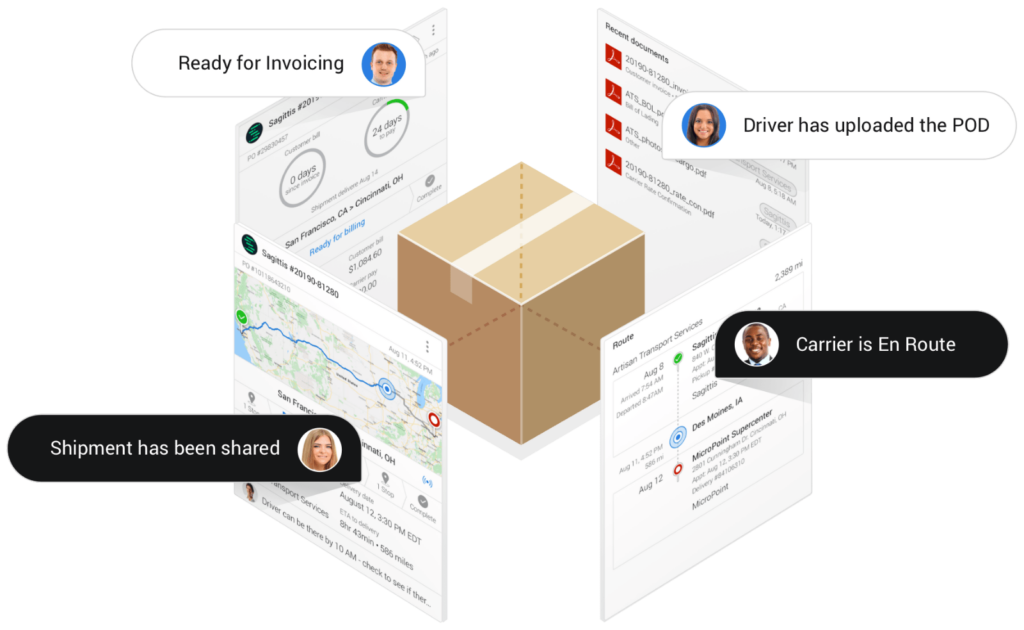
Turvo Collaboration Cloud makes shared shipment information part of the service brokers and 3PLs provide to their customers.
A shipper checking several deliveries should not have to start a new email thread for each update. Turvo’s shareable links allow customers and carriers to view relevant shipment information, with messages and documents connected to the movement being discussed.
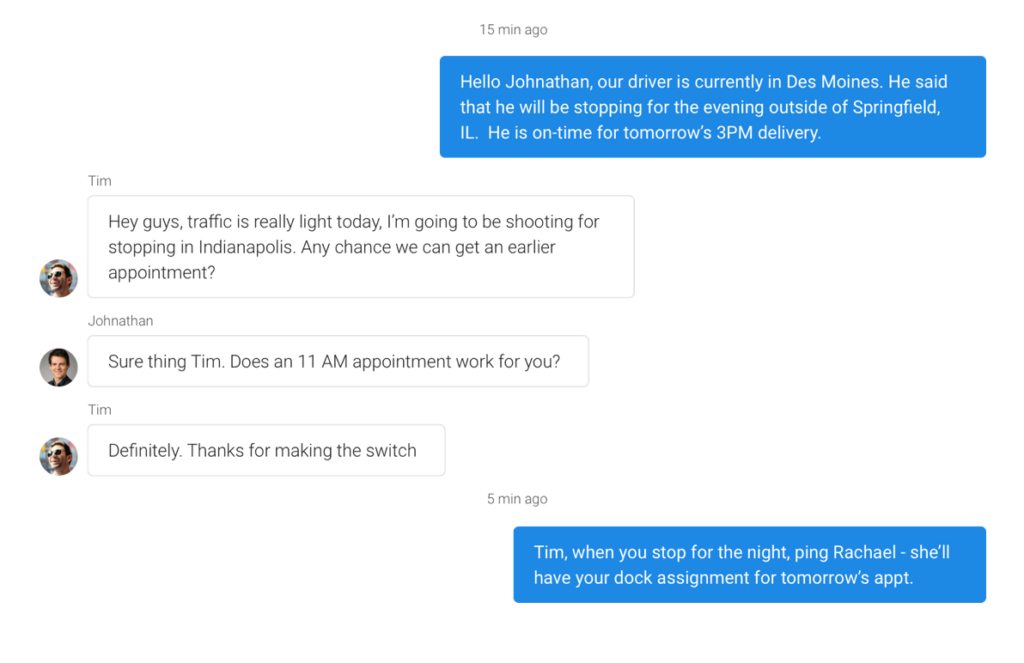
Account managers can use the same shipment context when a customer needs an explanation. Instead of gathering updates from several colleagues, they can review the available information and focus the conversation on the customer’s concern.
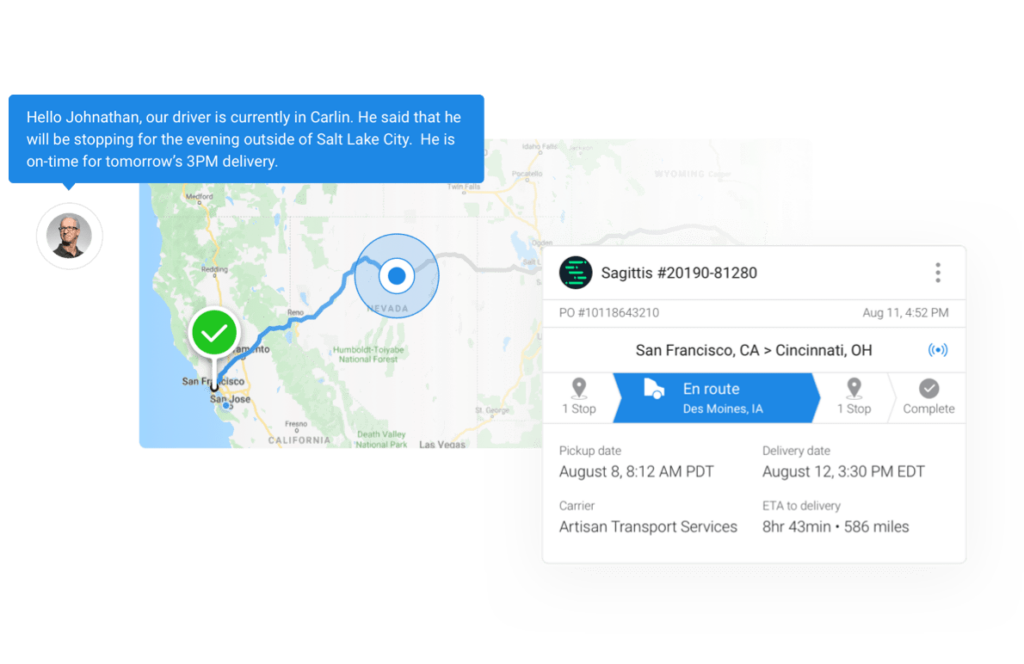
This gives logistics providers a more consistent way to keep customers informed. Routine visibility becomes easier to access, while employees retain an important role in interpreting exceptions and coordinating a response.
3. Bring Information From Existing Logistics Systems Into View
The Turvo Integration Hub helps connect the systems that hold different parts of the transportation picture.
Warehouse applications may hold inventory information, tracking providers supply movement updates, and ERP or accounting systems manage commercial records. When employees have to reconcile those sources manually, answering a straightforward shipment question becomes a research task.
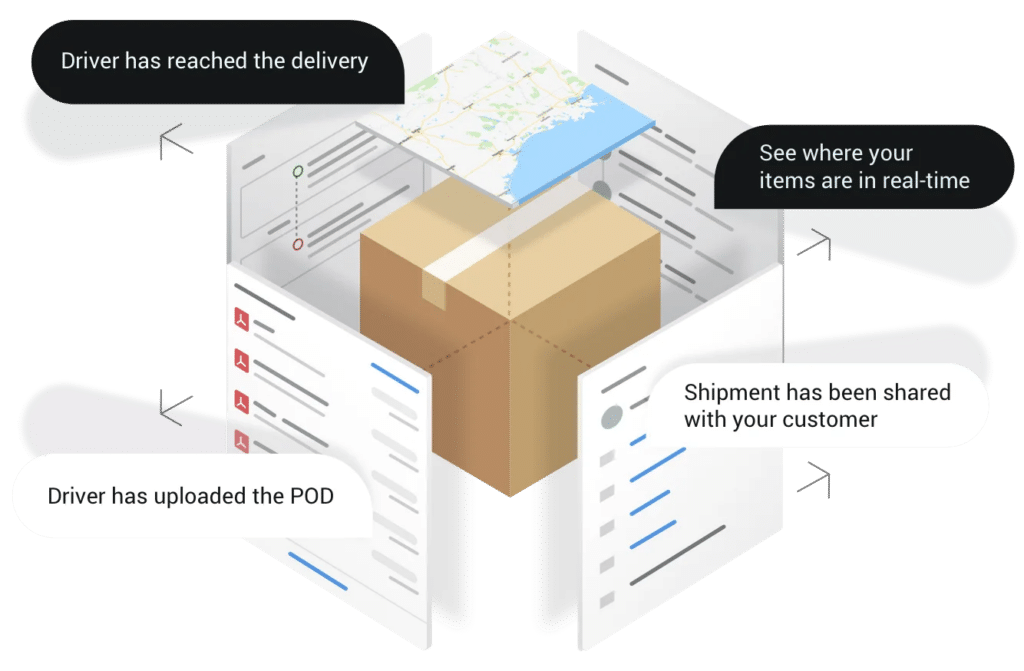
Turvo supports pre-built integrations, public APIs, webhooks, and data-import tools. Its integration categories include warehouse management, transportation visibility, ERP and accounting, telematics, load boards, and carrier monitoring.
These connections can bring relevant information closer to the people managing freight. A 3PL can evaluate how its warehouse and tracking systems will contribute to a shared operating view while retaining the specialist applications it already uses.
The practical benefit is less copying between systems and fewer separate places to check before deciding what happens next.
4. Move From a Delay Alert to a Coordinated Response
Turvo helps teams investigate shipment exceptions with the surrounding operational context available.
When an inbound load is running late, the next task is to assess the consequences: whether the delivery appointment still works, who needs an update, and what the carrier can do. Those decisions require more information than the truck’s latest location.
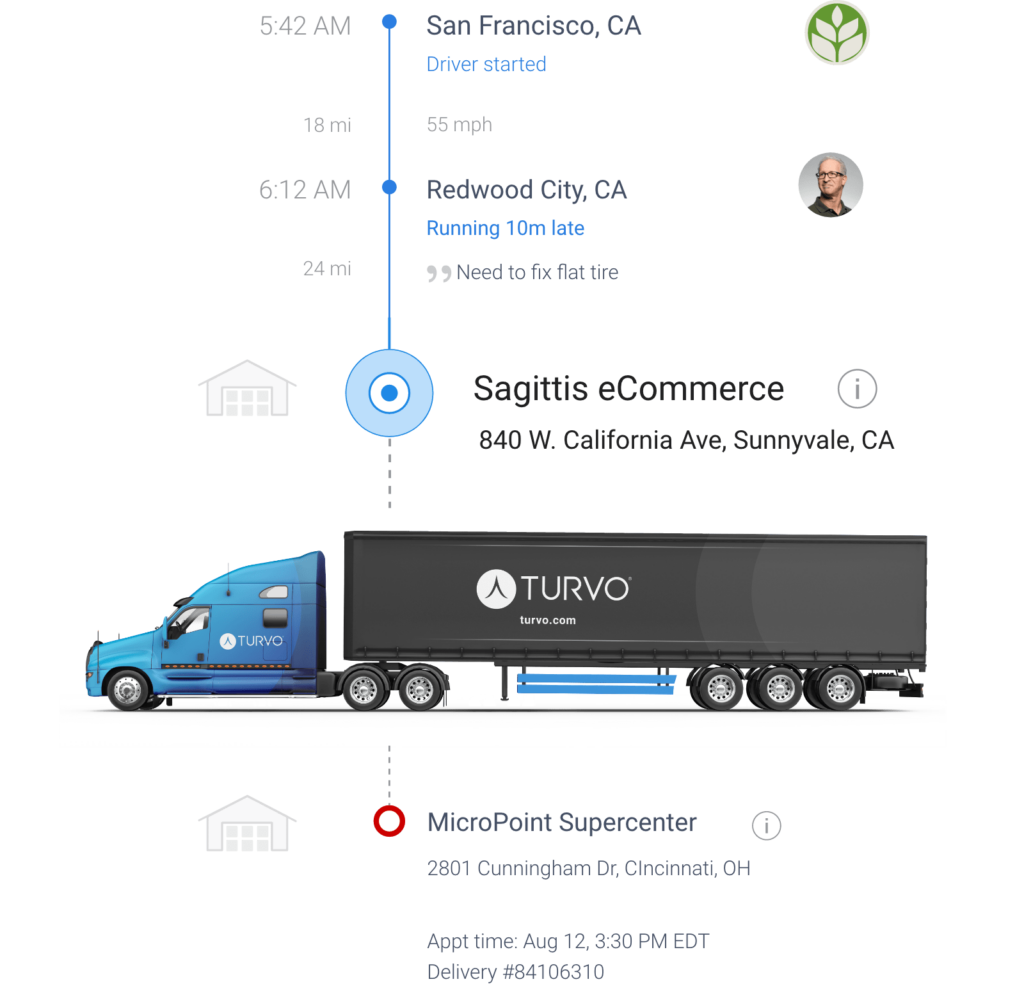
Turvo’s visibility tools connect inbound and outbound shipment status with order, facility, and communication information. Alerts and notifications support exception management, while Driver App and telematics data can help teams follow the movement.
An operator can review the affected shipment, contact the carrier, and coordinate the customer update with that context in view.
For brokers and 3PLs, this makes visibility useful during the service recovery process. Employees spend less time gathering background information before addressing the disruption.
5. Find Recurring Service Problems Behind Individual Updates
Turvo Analytics helps teams examine the patterns behind everyday shipment activity.
A single late delivery needs an operational response. Repeated delays involving a carrier, customer, or lane call for a broader review of how the freight is being managed.
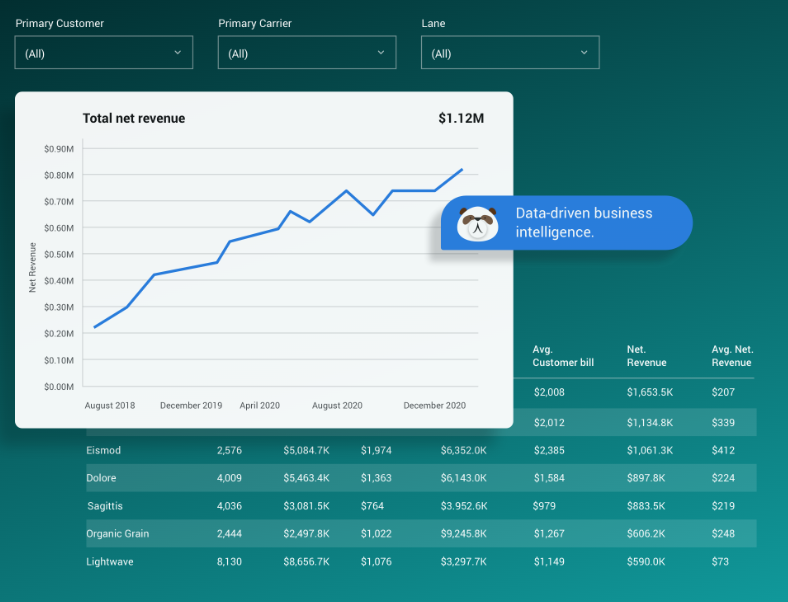
Turvo provides customizable dashboards, reports, and scorecards covering operational and financial performance. Teams can review customers, carriers, and lanes, examine trends, and use the findings in quarterly business reviews.
For example, an account manager can bring performance evidence into a customer discussion, while an operations leader investigates whether a recurring problem requires different carrier arrangements or process changes.
This extends the value of visibility beyond monitoring current shipments. Information collected during execution becomes a basis for improving service and deciding where management attention is needed.
6. Show Facilities How Freight Progress Affects Their Schedule
Turvo Appointment Scheduling connects facility bookings with the shipments expected to arrive.
Transportation visibility becomes more useful when the receiving team can relate it to the day’s appointments. A delayed truck may require a revised booking, while an arrival update helps staff understand which movement has reached the facility.
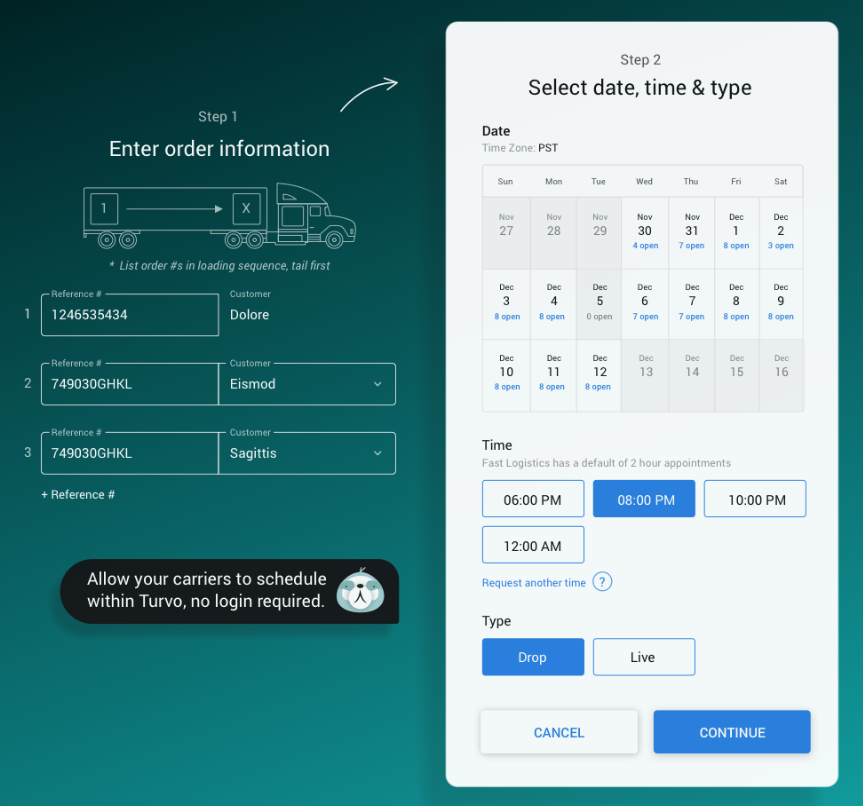
Turvo associates appointment slots with order, shipment, customer, and carrier information. It supports truck-status updates, arrival and departure information, and self-service appointment booking for partners.
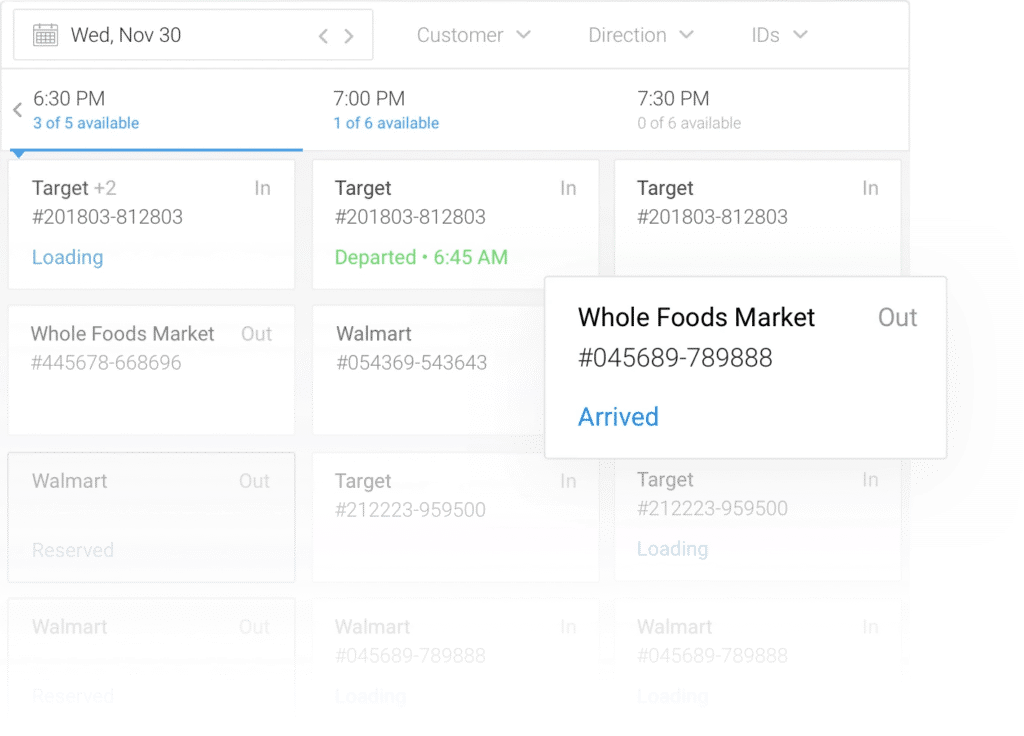
Teams can review the shipment and schedule together when plans change, then communicate the adjustment to the relevant participants.
For logistics providers coordinating multiple pickup and delivery locations, this helps reduce the gap between what transportation staff know and what facilities are preparing to handle.
7. Connect Shipment Visibility Back to Orders and Inventory
Turvo helps teams understand which customer orders sit behind the freight they are monitoring.
Its order-to-shipment planning supports organizing one or multiple orders into shipments. For movements involving several legs, linked shipments can be managed with separate carriers, workflows, and reporting while retaining their relationship to the orders being fulfilled.
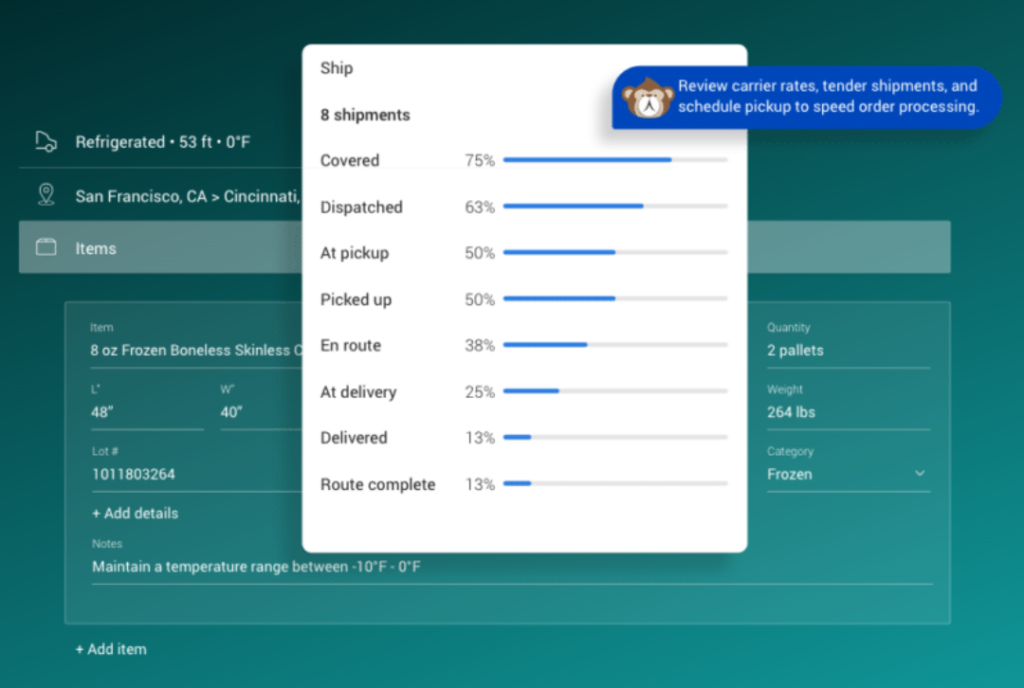
For 3PLs managing warehousing alongside transportation, Turvo’s inventory visibility adds information from connected warehouse and supply chain systems. Users can review inventory by facility, lot, and SKU, check quantities, and receive notifications about expiring lots.
That broader context helps employees investigate questions about both available goods and the movements fulfilling demand. Customer conversations can become more specific because the team can relate shipment progress to the underlying order.
The benefit is particularly relevant to 3PLs whose service responsibilities extend across storage and transportation.
8. Capture Delivery Updates and Evidence From the Road
The Turvo Driver App gives drivers a way to contribute shipment information directly to the transportation workflow.
Location tracking shows progress, but employees also need updates, messages, and delivery documents to understand what happened at the stop. Collecting those details through separate calls and attachments creates additional work after the truck has moved on.
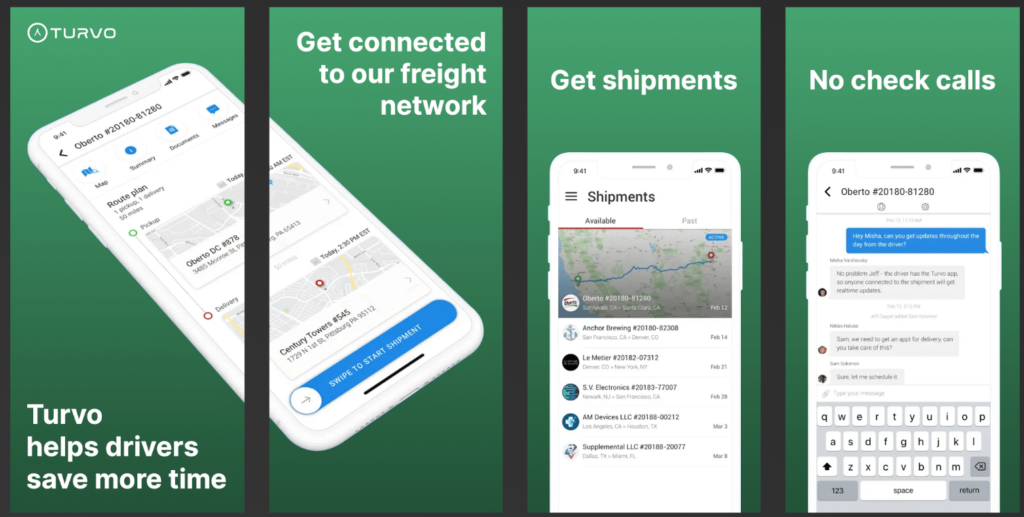
The app supports GPS and telematics-based tracking, status updates, contextual messaging, and document uploads. Drivers can share documents such as bills of lading and proof of delivery for use by the teams managing the shipment.
That evidence helps customer service answer completion questions and gives operations and finance access to supporting paperwork.
For brokers and 3PLs, visibility continues through delivery confirmation and the administrative work that follows, reducing repeated requests for information already captured during execution.
Turvo Pricing
Turvo offers transparent pricing, with its TMS plan starting at $5,000 per month and Enterprise pricing available upon request. Both plans include onboarding, training, data migration, and support resources.
Where Turvo Shines
- Visibility connected to daily execution: Shipment information sits alongside the communication, documents, and workflows employees use to manage freight. Teams can investigate an issue and coordinate the next step with more context available.
- Customer participation in the shipment workflow: Shared access helps brokers and 3PLs make visibility part of their service. Customers can find relevant updates with less dependence on calls and emails.
- Context across orders, shipments, and facilities: Turvo helps logistics providers relate freight progress to customer orders and appointment schedules. Connected inventory information adds another useful dimension for warehousing-focused 3PLs.
- Compatibility with specialist logistics tools: Integrations allow existing tracking, warehouse, ERP, and accounting applications to contribute to transportation workflows. This supports a more connected operating view.
- A path from monitoring to performance improvement: Analytics and scorecards help teams examine recurring service issues and commercial performance. Shipment activity can support both immediate decisions and longer-term business reviews.
Turvo Customer Reviews
Ojasvi A., Logistics Coordinator, said, “Easy to use for load tracking. It offers a number of features, such as managing company revenue, and helps me provide good customer service to my clients. It’s a quick way to create loads and implement them. My frequency of using this app was continuously for eight hours a week. Ease of integration.”
Kyle R., Director of Sales, said, “The best thing about Turvo is that your success is their success. The Turvo team goes out of its way to ensure we have everything we need to be a successful business.”
Ryan Pamplin, Director of Innovation at Taimen Transport LLC, said, “Turvo is truly flexible enough to leverage the full power of the platform anywhere and from any device, which allows our team to work remotely from home, on the road with their customers, or around the office in our various flex spaces. Managing transportation in your supply chain across thousands of emails, bulky portals, and disparate channels is inefficient. Trading partners, internal team members, and external service providers being reliant on a single computer at a stationary desk is the past. Real-time collaboration inside each individual shipment, with shareable links for tracking and web- or app-based access, is Turvo. It’s the future of freight, here today. Our employees service their customers with optimal efficiency every day of the year, and it wouldn’t be possible without Turvo.”
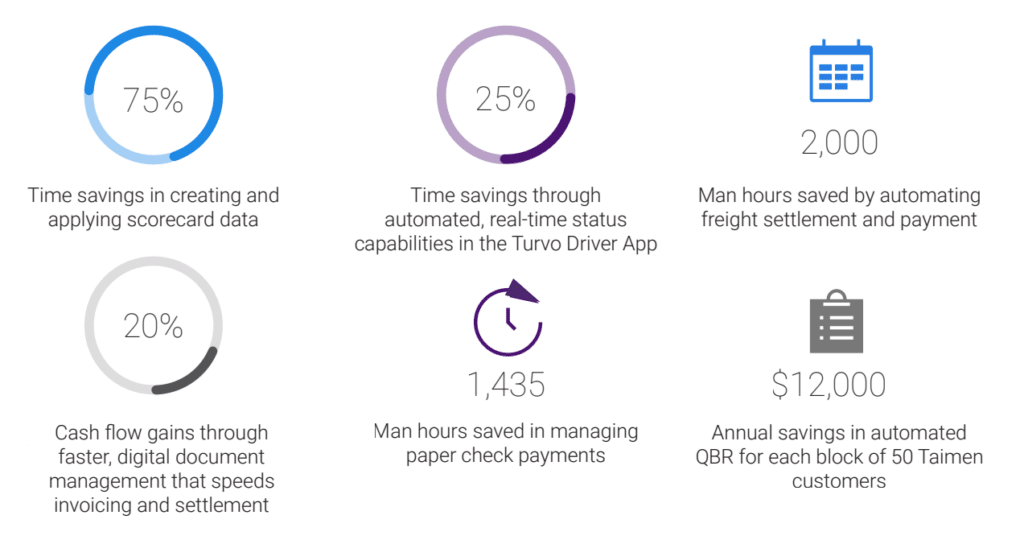
Further reading: Read the case study of Taimen Transport to learn how they improved efficiency by 400% with Turvo.
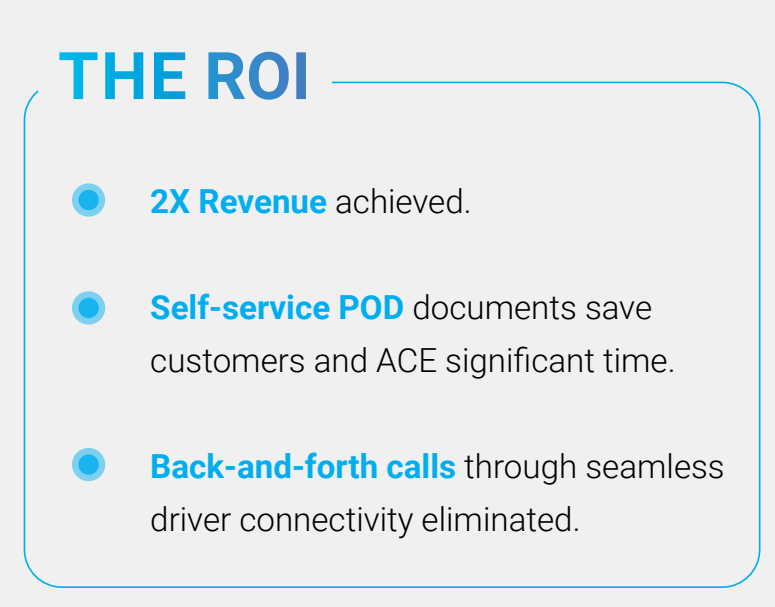
Chris Babcock, ACE Forwarding, said, “Turvo greatly assisted with the growth of our brokerage during ACE Forwarding’s second year of business. During that period, Turvo more than doubled our revenue.”
Who Turvo Is Best For
- Freight brokers handling frequent customer status requests: Teams can share shipment information and keep customer conversations connected to the freight being managed.
- 3PLs coordinating transportation and warehouse activity: Providers can connect shipment progress with orders, facility appointments, and relevant inventory information.
- Logistics businesses improving exception management: Organizations that can see a delay but struggle to coordinate the response can bring communication and execution context closer together.
- Established brokerages modernizing their TMS: Teams evaluating visibility alongside usability, integrations, and customer service can assess those requirements within one platform.
- Growing providers connecting a fragmented technology stack: Businesses relying on several tracking and logistics applications can use integrations to reduce repeated searches and manual information transfers.
See how Turvo connects freight visibility with the work your team performs every day. Bring a shipment delay, a customer status request, and a delivery-document handoff to the demo to evaluate the complete workflow. Book a demo now.
2. Infios Transportation Management (Formerly MercuryGate): Best for Global Multimodal and Order-Level Visibility
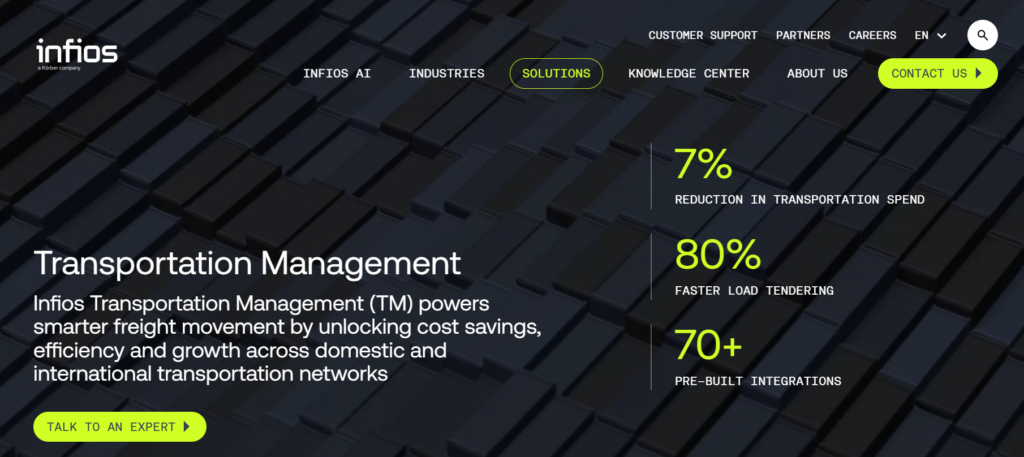
Infios Transportation Management (TM) is an enterprise transportation management platform that provides shipment visibility, freight execution, and operational insights across complex logistics networks. Formerly MercuryGate TMS, the platform supports domestic and international transportation across multiple modes, giving manufacturers, retailers, and 3PLs a centralized environment for monitoring freight activity and coordinating supply chain operations.
Infios combines native TMS visibility with AI-assisted exception management, transportation analytics, and connections to broader supply chain systems. For organizations requiring more detailed tracking, its separate Shipment and Order Visibility (SOV) solution extends visibility to orders, individual SKUs, ocean containers, and shipment milestones, helping teams identify disruptions and coordinate responses before they affect downstream operations.
Key Capabilities and Benefits
- End-to-end shipment visibility: Infios TM provides transportation status information across modes, carriers, and regions, helping teams monitor shipment progress, coordinate freight execution, and respond to delivery disruptions.
- Shipment and order-level tracking: Infios SOV extends native TMS visibility with order-level and SKU-level tracking, ocean container locations, vessel information, port updates, and estimated arrival times.
- AI-powered exception management: Uses predictive and agentic AI to identify shipment risks, recommend corrective actions, and support automated responses involving carrier changes, rerouting, appointment adjustments, and transportation exceptions.
- Configurable alerts and escalation workflows: SOV allows teams to configure alerts for shipment conditions, identify urgent deliveries, analyze disruption causes, and assess potential financial impacts from transportation delays.
- Transportation analytics and system integration: Connects transportation data with existing ERP, warehouse management, order management, and tracking systems while providing operational KPIs and insights into delivery performance, freight costs, and network efficiency.
Pricing
Infios does not publicly disclose standard pricing for its Transportation Management or Shipment and Order Visibility solutions. Custom quotes depend on the selected products, transportation network, and integration requirements.
Where Infios Transportation Management Shines
- Multimodal and global visibility: Infios supports transportation operations across different freight modes and geographic regions, while SOV extends tracking into ocean movements, containers, individual orders, and SKUs.
- Proactive disruption management: AI-assisted monitoring, predictive risk identification, and configurable alerts help organizations recognize potential service failures earlier and coordinate corrective actions.
- Connected supply chain visibility: Infios TM can connect with the company’s order management and warehouse management systems, helping organizations relate transportation events to fulfillment activity and operational priorities.
- Detailed shipment intelligence: SOV provides capabilities such as multimodal ETAs, ocean container mapping, root-cause analysis, and disruption cost assessments to support more informed transportation decisions.
Where Infios Transportation Management Falls Short
- Additional solution requirements: Detailed ocean container, SKU-level, and order-level visibility comes through Infios SOV, which extends the native TMS functionality. Organizations should confirm the products and capabilities included in their proposed configuration.
- Reporting and usability: Some Infios TMS customers report challenges with Mercury Edge reporting, interface usability, and system responsiveness, particularly when extracting or analyzing complex operational information.
- Implementation complexity: Connecting transportation tracking with warehouse systems, enterprise applications, carrier networks, and multiple regional operations may require substantial integration and configuration work.
Customer Reviews
A VP of Sales at a transportation company wrote, “Overall our experience with the Infios TMS has been very positive. The platform is stable and delivers a consistently reliable operational environment.”
A Supply Chain Associate at a manufacturing company wrote, “It is extremely slow, and the reporting is awful. The user interface could be way simpler.”
Who Infios Transportation Management Is Best For
- Global manufacturers: Organizations needing visibility into international shipments, inbound materials, freight movements, and transportation disruptions across complex supply chains.
- Multimodal 3PLs: Logistics providers coordinating shipments across multiple transportation modes, customers, carriers, and regions.
- Retailers and distributors: Businesses seeking to connect transportation visibility with inventory availability, order fulfillment, and distribution operations.
- Order-level visibility teams: Organizations requiring detailed ocean container tracking, SKU-level information, proactive shipment alerts, and better coordination between transportation and warehouse operations.
3. McLeod Software: Best for Carrier, Fleet, and Brokerage Shipment Tracking
McLeod Software provides transportation management solutions for trucking companies, freight brokers, 3PLs, and private fleets. Its core products include LoadMaster for asset-based carriers and PowerBroker for freight brokerage operations. Both support transportation visibility, although their tracking capabilities are designed around different operating models.
McLeod brings load tracking, driver and equipment information, dispatch activity, predictive ETA functionality, and carrier communications into connected transportation workflows. Its combination of native operational visibility and integrations with telematics, GPS, and third-party shipment tracking platforms makes it particularly relevant to transportation providers seeking greater control over active loads and fleet operations.
Key Capabilities and Benefits
- Real-time load and shipment tracking: PowerBroker’s brokerage tracking capabilities consolidate GPS information, carrier tracking applications, and shipment events, helping brokers monitor freight movements and provide more accurate status updates.
- Predictive ETA and route alerts: LoadMaster’s ETA/Out-of-Route Module calculates updated arrival estimates based on tractor positions, check calls, and stop changes, while highlighting loads or drivers at risk of delays.
- Fleet and equipment visibility: LoadMaster provides operational views of tractors, trailers, drivers, and assigned loads, helping dispatchers monitor resource availability, equipment movements, and transportation activity.
- Carrier and customer tracking portals: Secure web portals provide customers and carriers with access to shipment status, load information, delivery updates, tracking tools, and relevant transportation documents.
- Telematics and visibility integrations: McLeod integrates with mobile communication providers, ELD systems, and third-party visibility platforms such as Descartes MacroPoint, FourKites, and project44 to support more connected shipment monitoring.
Pricing
McLeod does not publicly disclose standard pricing for LoadMaster, PowerBroker, or its associated tracking capabilities. Custom quotes depend on the selected products, deployment environment, and operational requirements.
Where McLeod Software Shines
- Asset-based fleet visibility: LoadMaster connects driver, tractor, trailer, dispatch, and shipment information, giving trucking companies a centralized view of operational activity and transportation resources.
- Predictive dispatch monitoring: ETA calculations, route alerts, late-load views, and driver-location information help dispatchers identify at-risk shipments and respond to transportation delays.
- Carrier and customer transparency: PowerBroker tracking and customer portals help freight brokers share shipment status, reduce manual check calls, and provide more consistent communication.
- Extensive tracking integrations: McLeod supports third-party visibility and telematics connections, allowing businesses to use existing tracking technologies alongside their core TMS workflows.
Where McLeod Software Falls Short
- Limited global supply chain visibility: McLeod primarily focuses on trucking, fleet operations, and freight brokerage. Organizations requiring global ocean visibility, detailed inventory tracking, or supplier-level monitoring may need broader supply chain visibility platforms.
- Dependence on integrations: Some advanced shipment tracking capabilities rely on external GPS, ELD, carrier monitoring tools, or visibility providers rather than a single standalone McLeod visibility product.
- Interface and reporting usability: Some LoadMaster customers report that the interface appears dated and that customized reporting or complex workflows could be easier to navigate.
Customer Reviews
Victor M., a Track and Trace Agent, wrote, “You can do everything with it! It integrates your GPS tools so you can easily track all your loads.”
Dakotah C., a Dispatcher and Driver Manager, wrote, “Every tab you pull up stays in the background. Sometimes it can slow down the program.”
Who McLeod Software Is Best For
- Asset-based trucking carriers: Businesses needing visibility into drivers, tractors, trailers, dispatch activity, load status, and delivery schedules.
- Freight brokers and 3PLs: Organizations coordinating carrier tracking, shipment updates, customer communications, and transportation execution.
- Private fleet operators: Companies seeking centralized visibility into their own transportation resources, equipment movements, and delivery performance.
- Integration-heavy transportation providers: Businesses that want to connect ELD systems, telematics vendors, shipment visibility platforms, and carrier tracking applications with existing transportation management workflows.
How We Ranked the Best Supply Chain Visibility Software
We evaluated each platform based on how effectively it turns transportation information into useful operational visibility.
- Visibility coverage: Shipment, order, inventory, facility, carrier, and asset information available to users.
- Exception management: Alerts, predictive ETAs, risk identification, and tools for responding to disruptions.
- Transportation coverage: Support across relevant modes, regions, carriers, and shipment types.
- Collaboration: How easily customers, carriers, facilities, and internal teams can share information and coordinate action.
- Integrations: Connectivity with TMS, ERP, WMS, telematics, tracking providers, and other logistics systems.
- Analytics: Ability to identify trends in service, carrier performance, lanes, costs, and recurring exceptions.
- Operational fit: Whether the platform suits brokers, 3PLs, shippers, global enterprises, carriers, or fleet operators.
How to Choose Supply Chain Visibility Software
The best visibility platform is not necessarily the one that displays the most tracking data. It should give your team enough context, warning, and workflow support to decide what needs attention and respond before a disruption becomes a larger service problem.
1. Decide What You Actually Need Visibility Into
Start by defining the objects and events your team needs to monitor.
A freight broker may primarily need shipment status, carrier updates, delivery appointments, and customer-facing visibility. A manufacturer may also need purchase orders, SKUs, ocean containers, inbound inventory, and international milestones. A carrier may care more about tractors, trailers, drivers, routes, and dispatch activity.
Clarifying that scope immediately separates transportation-focused tools from broader supply chain visibility platforms.
For example, Turvo connects shipment visibility with orders, facilities, and relevant inventory information, while Infios can extend visibility into orders, SKUs, ocean containers, and international shipment milestones.
2. Test How the Platform Handles a Real Exception
Visibility creates value when it gives teams enough time and context to respond.
During demonstrations, use a real scenario such as a truck running late, an ETA changing, a delivery appointment being missed, or a carrier failing to provide an expected update.
Check how the system identifies the issue, who receives the alert, what supporting information appears, and what employees can do next.
3. Check Where the Visibility Data Comes From
A visibility platform is only as useful as the information feeding it.
Ask how shipment status is collected across carriers, telematics systems, ELDs, mobile applications, APIs, customer systems, and other connected sources. Then confirm how the platform handles missing, delayed, or conflicting information.
This matters particularly when comparing platforms that depend on different combinations of native tracking and external integrations.
4. Evaluate Whether Visibility Reaches the People Who Need It
Supply chain visibility should not stop with the transportation operations team.
Consider what customers, carriers, warehouse teams, account managers, dispatchers, and other participants need to see. Then evaluate how the platform controls access, shares shipment information, delivers alerts, and keeps communication connected to the movement.
For brokers and 3PLs, customer-facing visibility can reduce routine status requests while giving account teams better context when intervention is required.
Turvo’s Collaboration Cloud supports shared shipment access, messages, documents, and customer and carrier participation within the transportation workflow.
5. Look Beyond Live Tracking to Long-Term Performance
A map can show where a shipment is now. The stronger visibility platforms should also help explain where problems keep happening.
Evaluate dashboards, reports, scorecards, carrier performance, lane performance, on-time delivery measures, exception trends, and other historical information that can support operational reviews.
Recurring delays may indicate a carrier problem, an unrealistic appointment pattern, a problematic lane, or another process that needs to change.
Turn Supply Chain Visibility Into Faster Action With Turvo
Visibility matters most when your team can do something with the information it receives.
Turvo connects shipment status with orders, customer and carrier communication, appointments, documents, analytics, and transportation execution so brokers and 3PLs can move from identifying an exception to coordinating the response within the same operating environment.
Book a Turvo demo to see how connected visibility could fit your freight workflows.
FAQs
1. What Is Supply Chain Visibility Software?
Supply chain visibility software helps businesses monitor shipments, orders, inventory, transportation events, and related supply chain activity so teams can identify disruptions and respond earlier.
2. What Does Supply Chain Visibility Software Track?
Depending on the platform, it may track shipment locations, ETAs, orders, SKUs, inventory, containers, carriers, facilities, drivers, equipment, milestones, and transportation exceptions.
3. What Are the Benefits of Supply Chain Visibility Software?
It can reduce manual status checks, identify delays earlier, improve customer communication, support exception management, connect logistics data, and reveal recurring service or carrier performance problems.
4. What Is the Difference Between Supply Chain Visibility and Transportation Visibility?
Transportation visibility focuses primarily on freight movements and shipment events. Supply chain visibility can extend further into orders, inventory, suppliers, facilities, SKUs, and other upstream or downstream activities.
5. Who Should Use Supply Chain Visibility Software?
Freight brokers, 3PLs, shippers, manufacturers, retailers, carriers, and fleet operators can benefit when shipment complexity or disconnected tracking systems make exceptions difficult to identify and manage.