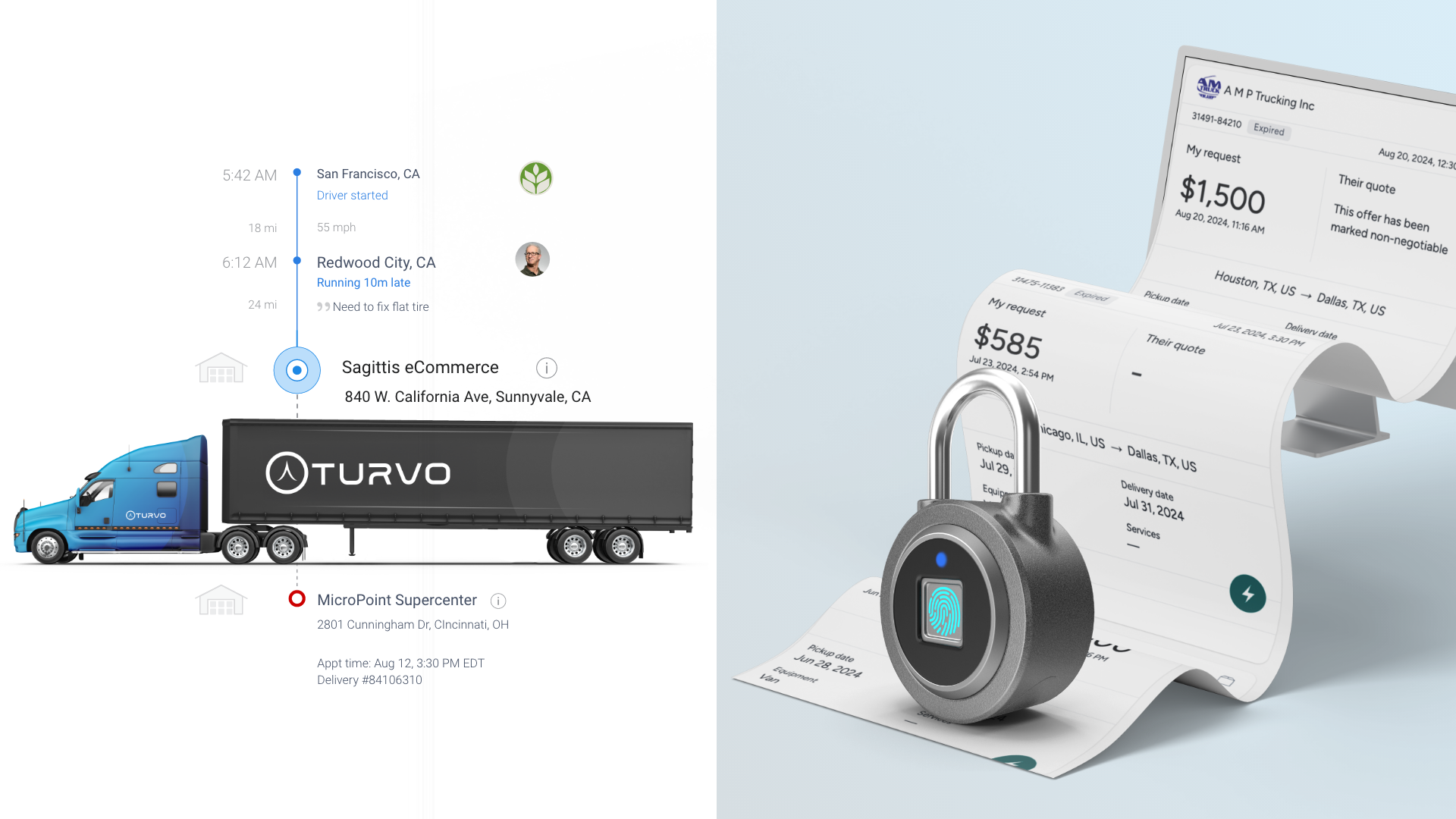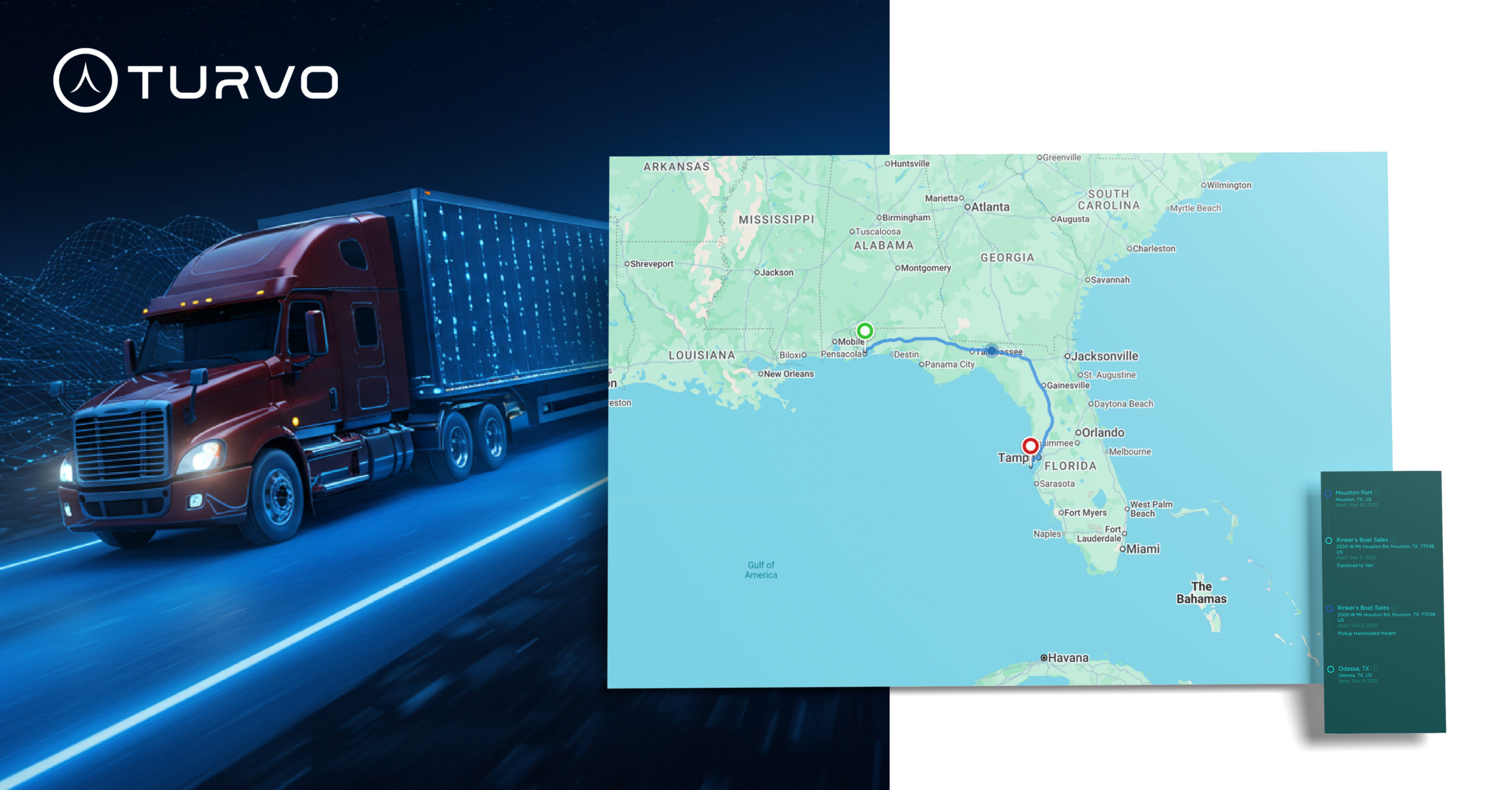


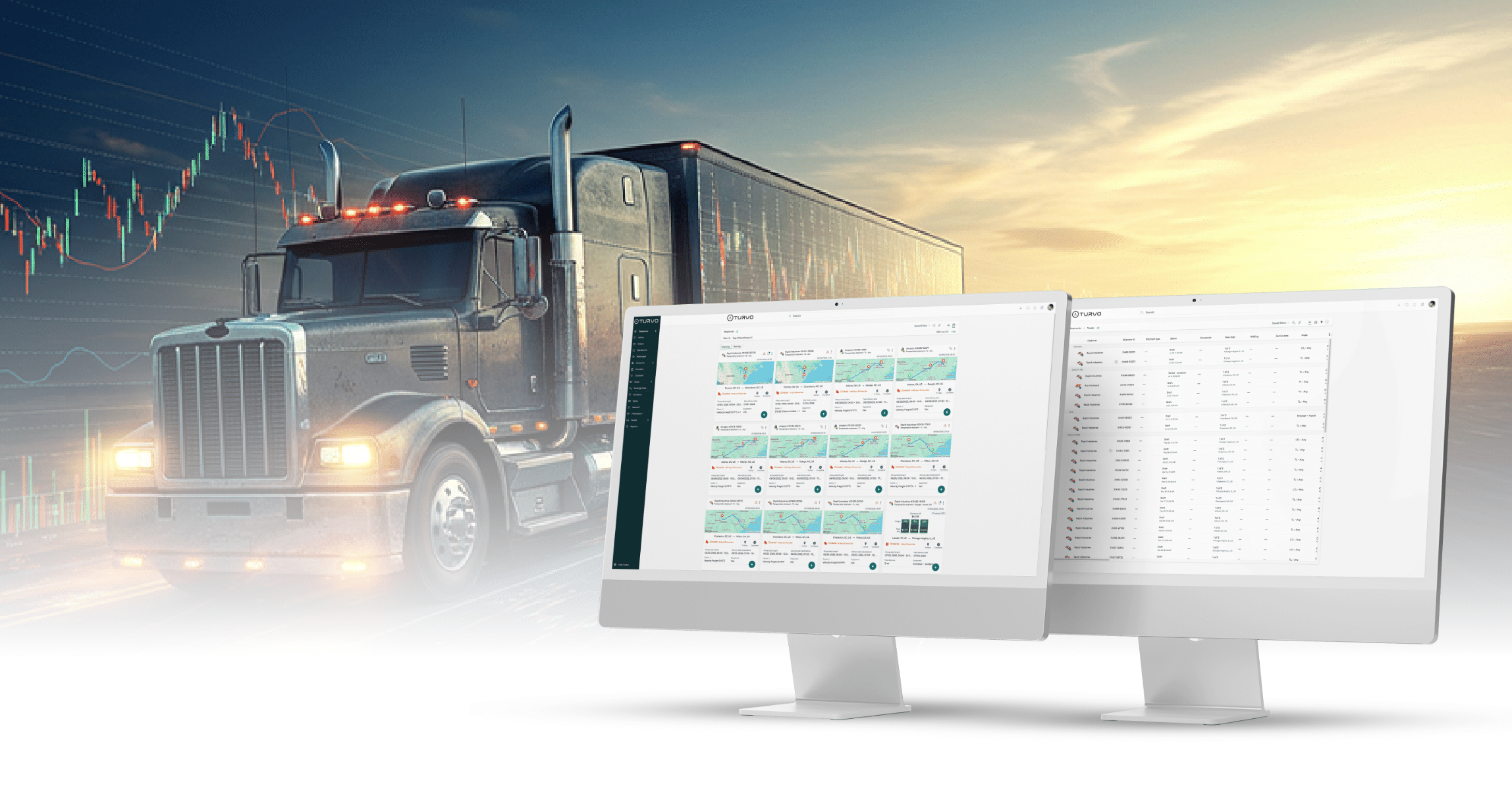
A Transportation Management System (TMS) should do more than display static dots on a map. Tracking a load on a screen gives you awareness, but awareness alone doesn’t resolve a multi-hour dock delay, clear up a mismatched Bill of Lading, or prevent a missed delivery window.
To keep freight moving efficiently, a platform must connect the actual human beings behind the operations. When shippers, carriers, and brokers operate from the same real-time dataset, supply chain volatility drops dramatically. True collaborative transportation management creates a single source of truth that turns reactive firefighting into proactive coordination.
The Real Cost of Fragmented Logistics Communication
Traditional logistics operations rely heavily on disconnected systems. Each organization operates within its own software, forcing supply chain partners to bridge the gap using manual workarounds. The average freight transaction often relies on a chaotic web of touchpoints:
- Email Chains: Updates, load tenders, and schedule changes get buried in overflowing inboxes.
- Phone & Text Chasing: Brokers and dispatchers waste hours making check-calls to track down exact driver locations.
- Manual Data Entry: Information gets re-keyed across three different systems, multiplying the risk of human error.
- Siloed Portals: Shippers and carriers log into half a dozen distinct software applications just to manage everyday workflows.
This fragmented ecosystem creates operational friction. Information becomes stale the moment it is typed, leaving teams to make decisions based on outdated status reports.
What Distinguishes a Collaborative TMS?
A collaborative TMS eliminates communication silos by providing a shared, interactive operational layer. Instead of passing data back and forth like a game of telephone, every participant works within a synchronized workspace.
| Operational Area | Legacy / Traditional TMS | Collaborative TMS Workspace |
| Data Synchronization | Siloed data; updates depend on manual status entry | Automatic, real-time sync across shipper, broker, and carrier views |
| Issue Resolution | Reactive; issues are discovered after delays happen | Proactive; automated risk-alerts trigger immediate shared response |
| Communication Flow | Fragmented across emails, phone calls, and SMS | Contextual messaging attached directly to specific shipment records |
| Document Management | Physical paper scans emailed back and forth | Instant digital upload and access for BOLs, PODs, and receipts |
| Freight Access | Restricted to internal teams; external partners locked out | Role-based portal access tailored for external partners |
The Core Pillars of Collaborative Logistics
- A Unified Source of Truth
When a shipper, freight broker, and carrier look at the exact same load details, dispute points evaporate. Arrival times, detention requests, and delivery confirmations are recorded instantly and transparently, eliminating debates over extra fees or timeline discrepancies.
- Contextual, Load-Level Communication
Searching through 40-page email threads to figure out why a driver was turned away at a facility is a massive waste of time. Supply chain collaboration software feature integrated messaging tied to individual shipments. Every comment, status change, and document upload lives directly inside the shipment record for complete operational context.
- Automated Exception Management
Collaborative systems move away from manual tracking by employing geofencing and real-time location data. When a vehicle runs into traffic or suffers a breakdown, the platform triggers automated notifications to all affected parties. This lets dispatchers reschedule appointments or notify warehouse staff before a delay cascades into a major operational disruption.
- Streamlined Document Workflows
Waiting days for a signed Proof of Delivery (POD) delays invoicing and slows cash flow. Collaborative TMS platforms enable drivers to upload signed paperwork directly from a mobile device at the receiver dock, making documents instantly accessible to both the broker and shipper for faster billing.
Moving From Passive Tracking to Networked Execution
Knowing where a truck is located is only a fraction of the logistics equation. Maximum efficiency comes from empowering everyone involved, from warehouse workers to fleet dispatchers, to act on shared information without friction. Collaborative transportation management upgrades a TMS from a simple record-keeping database into an active, fully connected network.