


The pandemic has compelled companies to scrutinize their supply chains to uncover ways of ensuring they’re prepared for the next disruption. One way they’ve done so is unprecedented collaboration, which is needed more than ever to deal with the boom in e-commerce coupled with a massive rise in home deliveries that go along with the heightened expectations of customers. To meet these conditions during the recent years’ chaos, parties needed to collaborate to share resources and thoughts, as stakeholders witnessed first-hand the importance of working together and remaining flexible.
New strategies have become necessary due to the rapid growth of the supply chain management (SCM) market, valued at $21 billion in 2022 and expected to increase at a compounded actual growth rate of 11.1% through 2030. The rising growth has been fueled by recognizing the benefit of SCM solutions, such as improved analytics, better forecasting accuracy, and optimized management systems. Let’s look into the trends driving supply chain collaboration, what the future holds, and how partnering with Turvo helps you enter the next phase of supply chain management, knowing you have a sturdy support system.
What is Supply Chain Collaboration?
Collaboration throughout the supply chain involves stakeholders pooling resources, information, and expertise to attain a common goal. Collaboration in supply chain management is crucial to create a dynamic, resilient organization that adapts to disruptions and changing market conditions on the spot when time is critical. Working together in these instances increases flexibility and responsiveness, leading to trust, innovation, and the sharing of ideas.
An example is logistics providers and shippers teaming up to improve delivery performance. They collaborate to optimize routes and consolidate shipments to help decrease costs and lower the chance of delays. They can share tracking information in real-time to improve visibility and handle any glitches that may arise instantly without resorting to slow manual processes that proved inefficient.
The Trends Shaping Supply Chain Collaboration in 2023
The pandemic proved the need for better supply chain collaboration and communication. How has partnership proven to be a godsend for companies that embrace it?
Visibility Beyond the Blue Dot
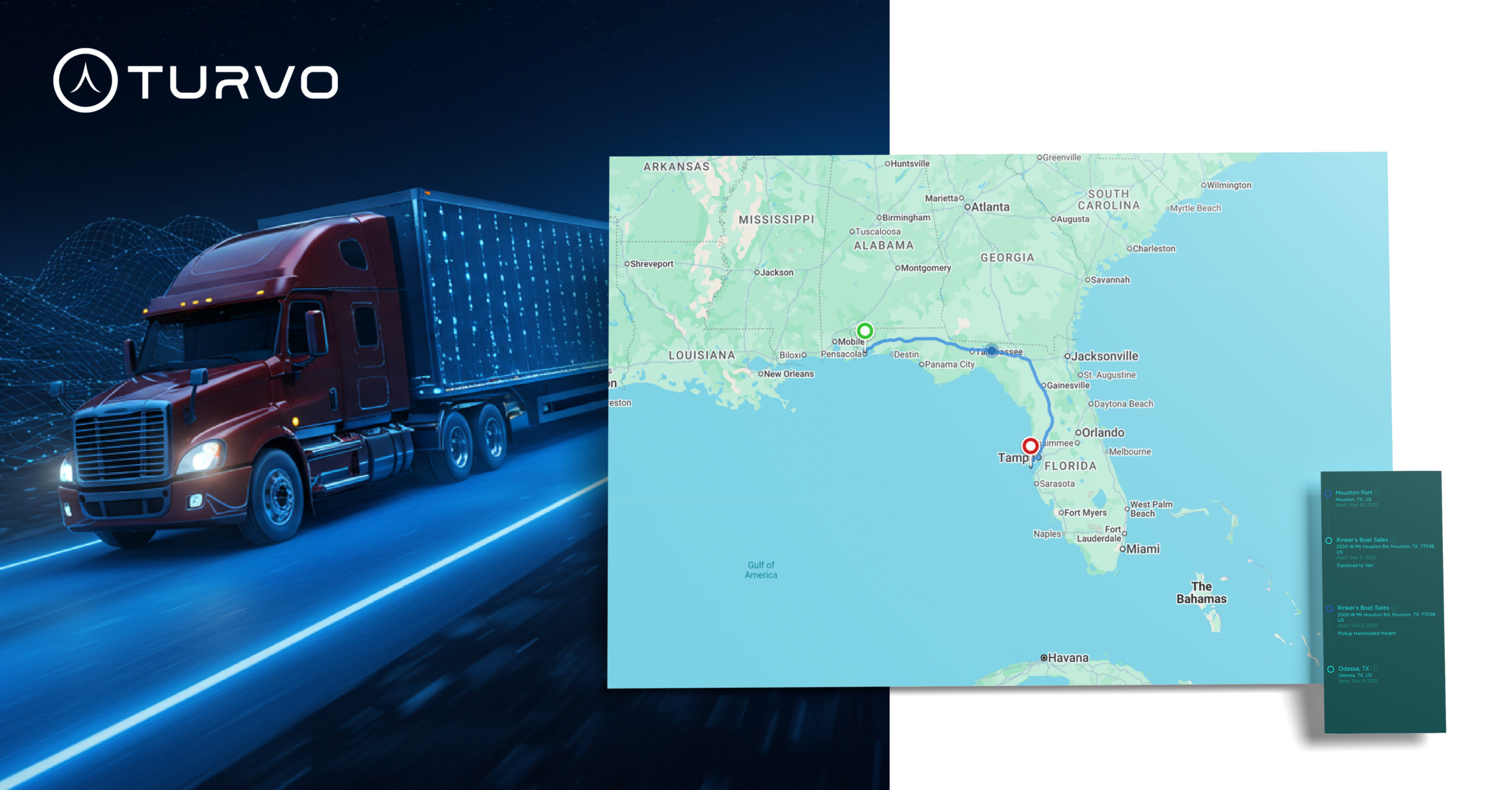
Sure, the blue dot on maps showing locations was groundbreaking when it first appeared. But the blue dot by itself is now becoming a relic. Stakeholders require more information to stay updated on shipments. They want accurate, comprehensive, up-to-date results and desire to share this data along the supply chain to determine what is working and what isn’t. Turvo combines collaborating with this real-time tracking to facilitate unprecedented visibility from origin to destination. Companies and customers can obtain a thorough answer to what is beyond that blue dot to ensure everything is running smoothly.
From Analytics to Action
Automation is helping eliminate manual work and data entry redundancies and providing real-time data analytics for stakeholders. But any possible improvements for companies to take upon analyzing the data are only helpful if they turn into action. More accurate reporting leads to better data decisions that everyone can share. Collaborating helps all parties implement new ideas to reduce inefficiencies. Consumers are also becoming more involved as they want to see real-time shipment updates, which hopefully translates into better customer loyalty and brand recognition.
Efficiency Through Integration
The rise of more robust transportation management systems coupled with the increasing need for supply chain collaboration has led to combining systems into one platform, such as Turvo’s Integration Hub. A scalable TMS should grow alongside a business when needed, not hold it back. Integrating more collaboration along the supply chain leads to higher efficiency, better communication and coordination, and faster and more accurate deliveries.
The Future of Supply Chain Collaboration
The power of collaboration has been shown during the past few turbulent years. Collaboration has helped companies build resilience while meeting challenges and disruptions by enabling them to share resources, ideas, data, and knowledge to find efficient solutions. Whether or not the upcoming years are as challenging, collaborative efforts will still be widespread. Artificial intelligence, machine learning, and sustainability will play a large part in supply chains in the future. AI and machine learning offer huge potential to increase supply chain efficiency further, and communication among partners will be more important than ever to foster these ideas and continue strategizing. Eco-friendly solutions are also needed, and companies must work together to reach sustainability goals and find areas to reduce their carbon footprint. Companies that disregard customers’ growing desire to lower carbon emissions will suffer.
It will be vital for businesses to integrate growth-minded, cloud-based supply chain collaboration software that allows capabilities to grow alongside capacity in the coming years. As supply chains become more digitized, companies must collaborate to ensure seamless communication and data sharing.
Sunny Days are in the Forecast When you Partner with Turvo
It’s usually impossible to predict the future in the complex logistics industry. Still, in this instance, the forecast calls for a 100 percent chance of supply chain planning and collaboration for companies that want to continue to maximize their return on investment and provide excellent customer service. The pandemic further revealed how essential teamwork is, and innovations continue to exponentially increase the benefits of bringing crystal-clear communication and collaboration to the table.
Turvo’s cloud-based transportation management system software makes collaboration more effortless than ever to allow real-time visibility from origin to destination in your supply chain. Schedule a demo with Turvo to ensure no stormy skies are on the horizon.