
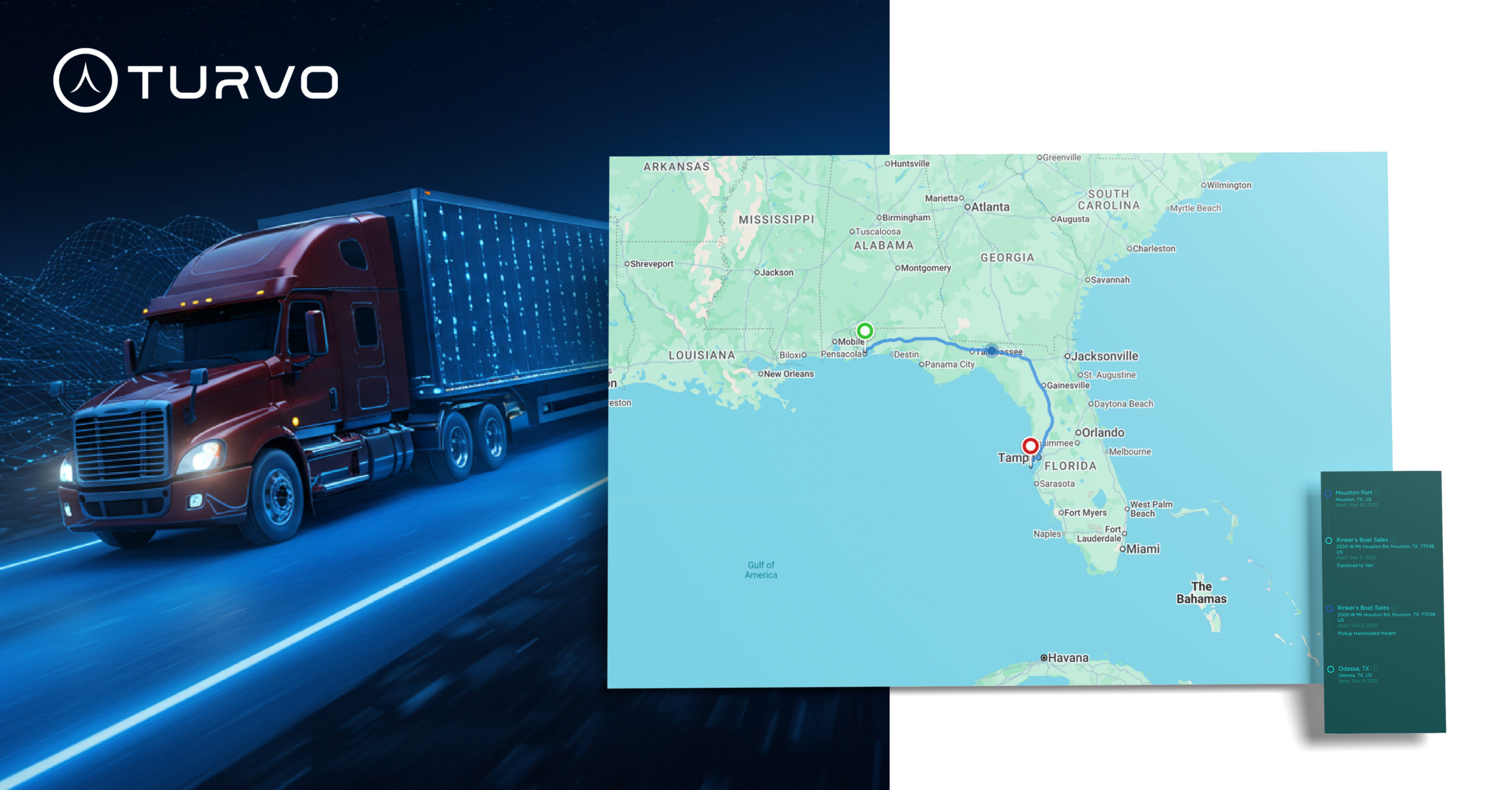
For years, the supply chain industry has been obsessed with a single metric: location. We added GPS pucks, integrated ELD data, and built dashboards designed to show us dots moving across a map.
But here is the uncomfortable truth: Visibility tells you where a shipment is. Collaborative visibility gets it delivered.
Knowing that a truck is sitting in traffic twenty miles outside a distribution center doesn’t solve the late delivery. Knowing that a driver is delayed at the dock doesn’t automatically update the receiver’s labor schedule. Traditional tracking tools provide data, but they leave the hard work, including communication, context, and issue resolution, trapped in endless email threads and manual phone calls.
To build a resilient, scalable supply chain, industry leaders are shifting from passive tracking to active, collaborative execution.
The Problem with Traditional Visibility: Fragmented Silos
In a typical shipment lifecycle, shippers, freight brokers, and carriers all rely on different technology stacks.
The Shipper looks at their ERP or internal portal.
The Broker manages the load inside their TMS.
The Carrier tracks progress via ELD or driver mobile apps.
When an exception occurs, such as a flat tire, severe weather, or dock congestion, the breakdown in communication is immediate. The driver calls dispatch, dispatch emails the broker, the broker updates their portal, and the shipper eventually gets a delayed notification. By the time everyone agrees on what happened, the opportunity for a proactive solution has passed.
This fragmented model creates friction, inflates operating costs, and forces operations teams into a constant cycle of fire-fighting.
How Collaborative Visibility Changes the Game
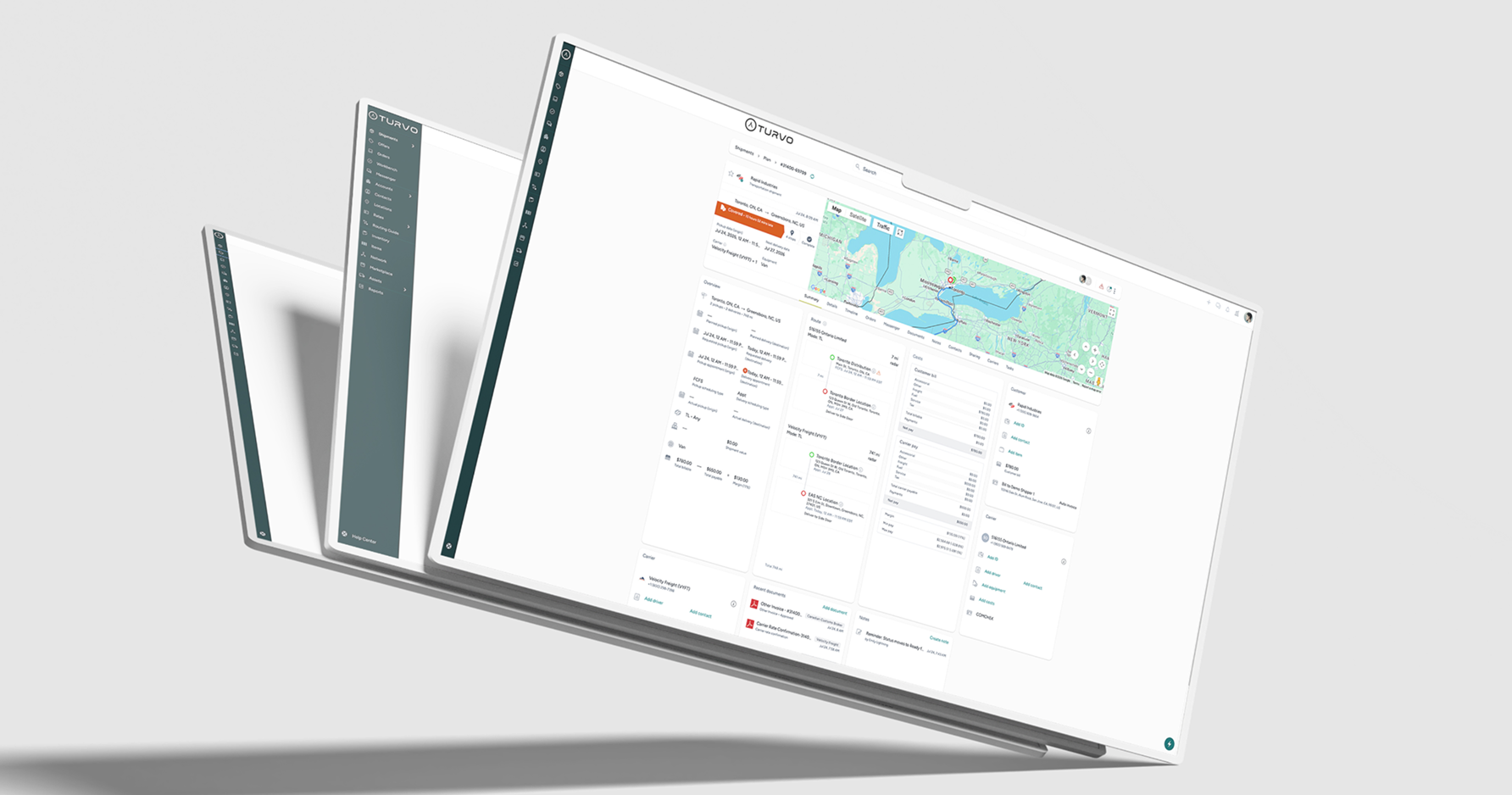
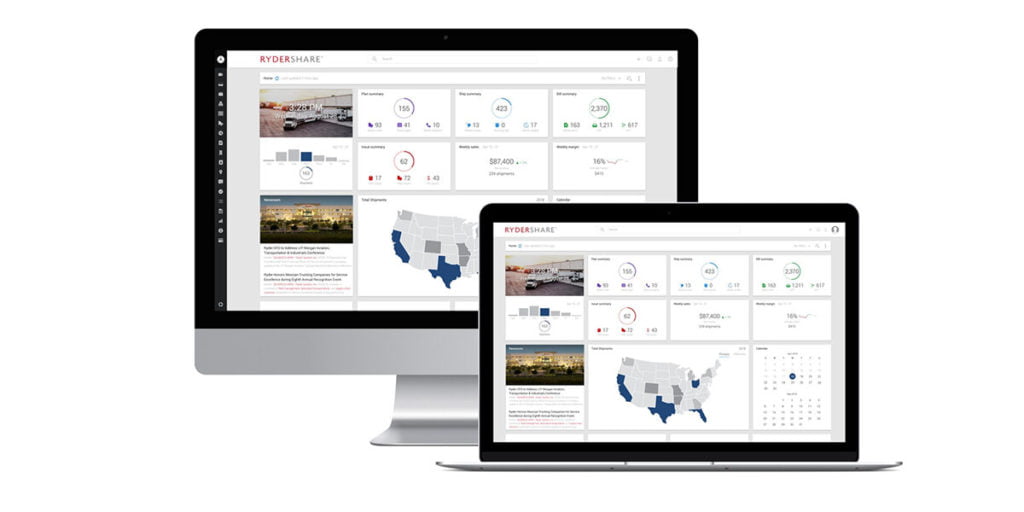
Collaborative visibility moves supply chain management from isolated data points to a shared ecosystem. Rather than sharing static updates, it connects all stakeholders within a single, real-time workspace.
Here is how collaborative visibility transforms daily operations:
1. One Shared Source of Truth
Instead of comparing disparate data sources, shippers, brokers, and carriers view the exact same real-time information simultaneously. When location, status, and shipment details are mirrored across all parties, disputes drop and trust increases across the network.
2. Contextual Exception Handling
When a delay happens, context matters. Collaborative platforms allow teams to chat, share digital documents (like BOLs or PODs), and flag exceptions directly within the context of the specific shipment. Instead of sifting through inbox clutter, every message and file is attached directly to the load record.
3. Eliminating the “Check Call”
Operations teams spend up to 40% of their day answering one question: “Where’s my load?” By providing self-service visibility and automated event-based alerts to every stakeholder, teams eliminate phone tag entirely. This shifts employee focus from manual administrative updates to strategic growth and relationship building.
Moving from Passive Monitoring to Active Collaboration
A map full of moving dots might look impressive on an executive dashboard, but data without context is just noise.
True supply chain efficiency isn’t just about watching the map, it’s about working together in real time. By bringing shippers, brokers, and carriers into a unified, collaborative ecosystem, modern logistics leaders are moving beyond basic tracking to protect margins, improve customer satisfaction, and build truly scalable operations.