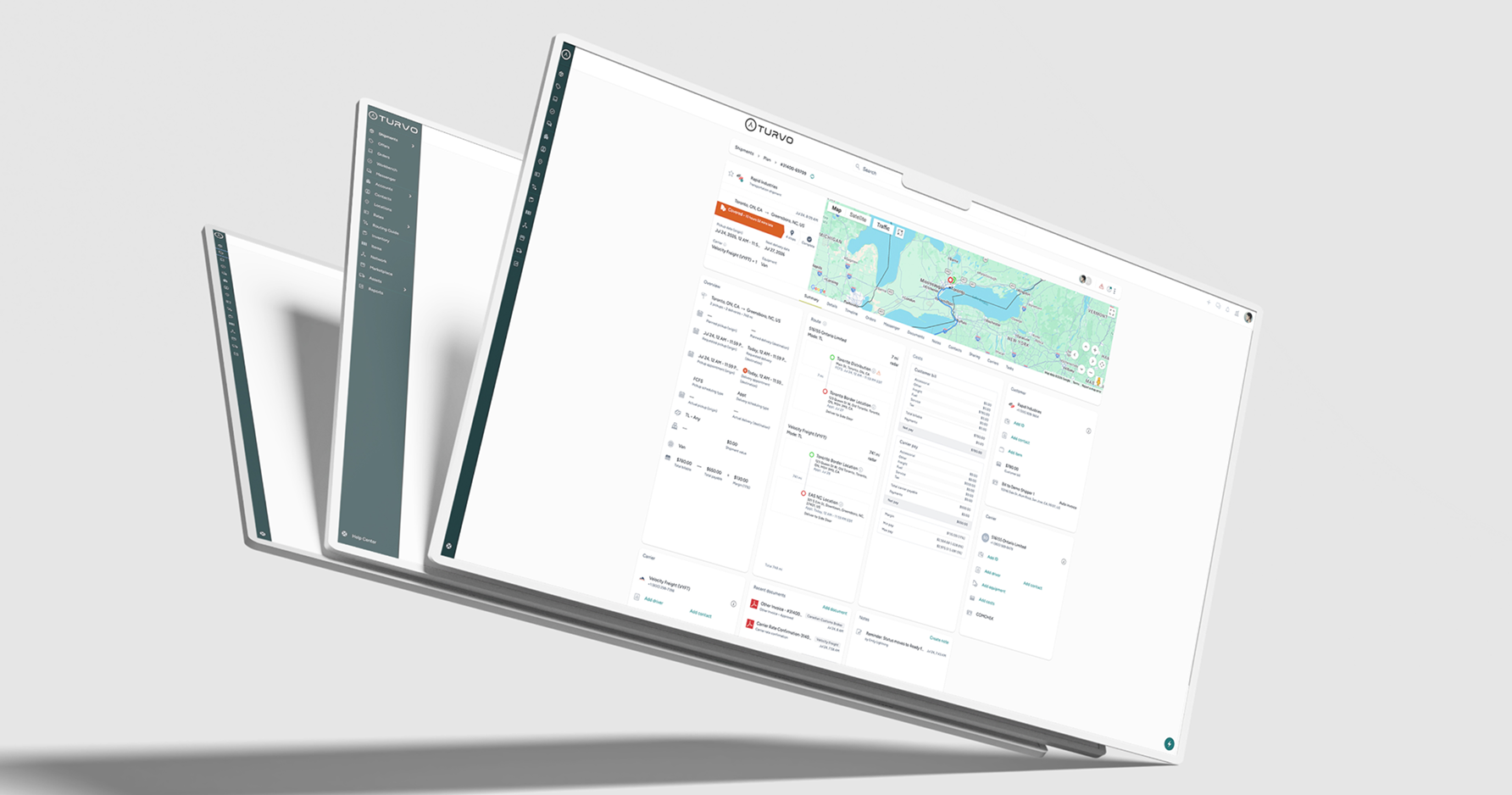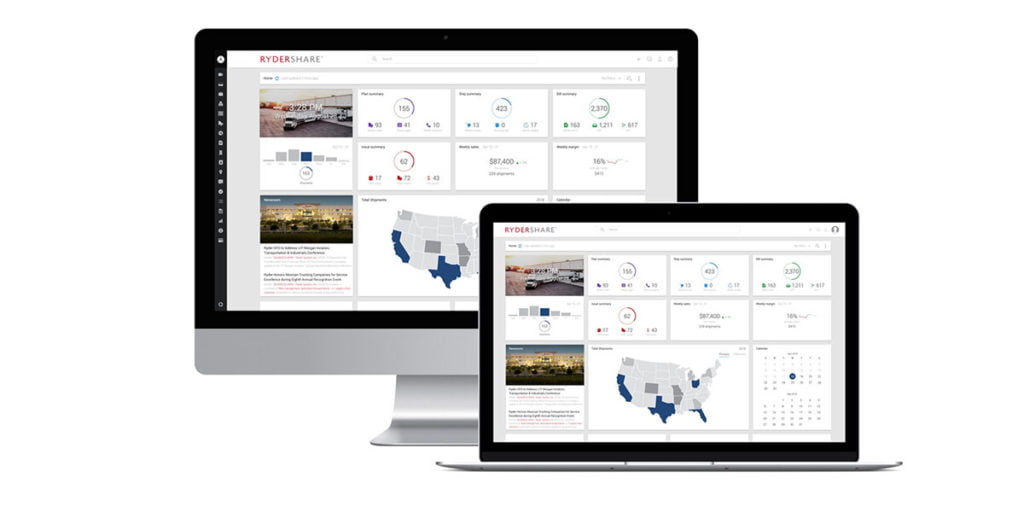
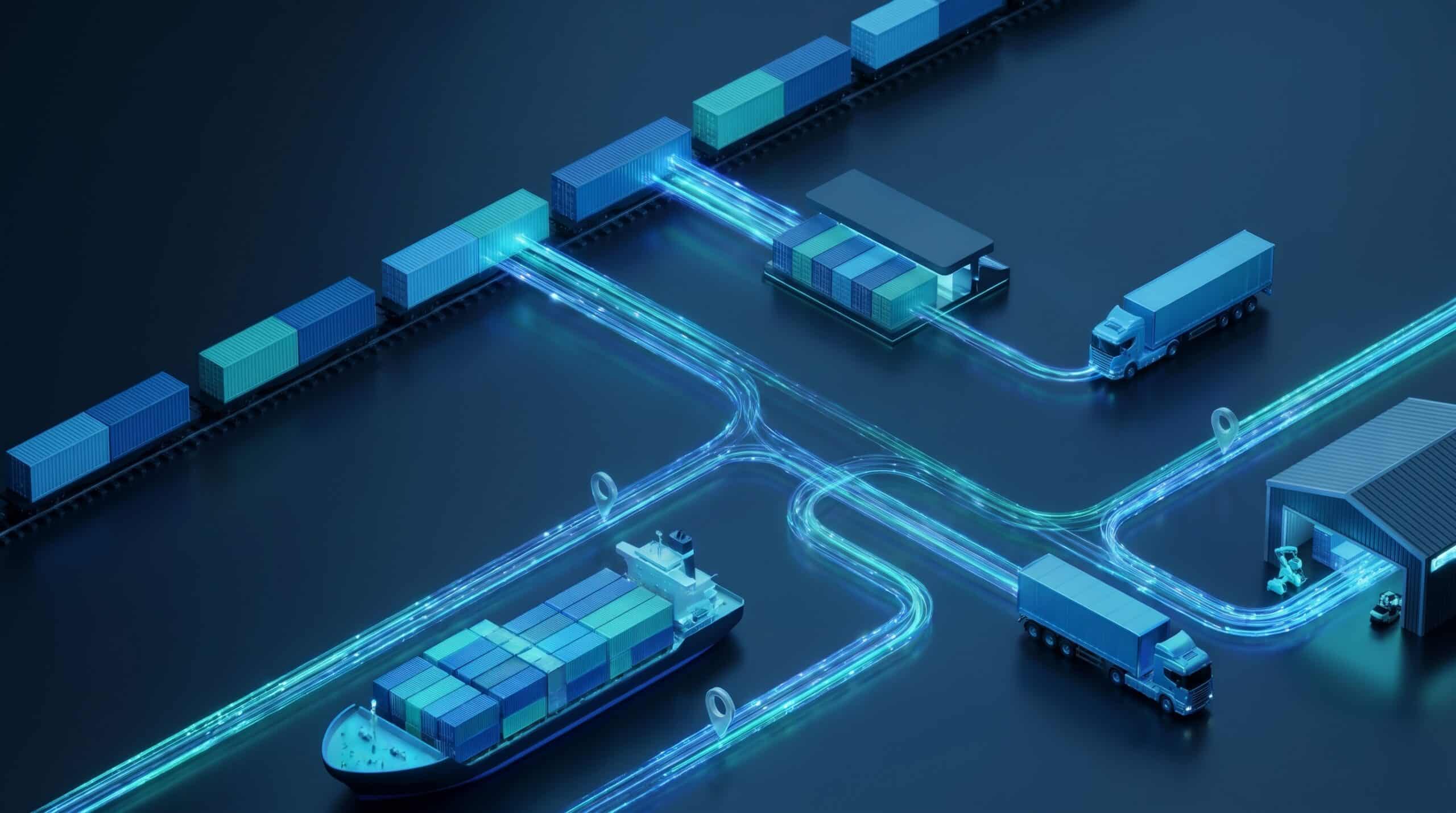
In an industry defined by moving parts, logistics operations have long struggled with static software. For decades, supply chain tech stacks have looked like patchwork quilts: legacy Enterprise Resource Planning (ERP) systems, specialized Warehouse Management Systems (WMS), isolated telematics feeds, and custom Electronic Data Interchange (EDI) setups held together by brittle custom scripts.
The result? Data silos, delayed shipment statuses, and operational teams spending half their shifts chasing tracking exceptions via email and phone calls.
As logistics networks scale, integration can no longer be an afterthought or a multi-quarter IT project. Turvo was designed around a different premise: Collaborative Logistics. At the heart of that ecosystem is the Turvo Public API, an extensible, modern interface designed to bridge existing systems, automate operational handoffs, and synchronize multi-enterprise data in real time.
Here is how the Turvo API works, the problems it solves for system architects, and how logistics teams leverage it to build resilient supply chain networks.
The Integration Bottleneck: Why Traditional Logistics APIs Fall Short
Most traditional Transportation Management Systems (TMS) treat APIs as secondary export utilities. They are built on batch sync cycles, legacy polling, or inflexible data structures that require months of transformation before a single partner can consume the payload.
This architecture introduces three recurring pain points:
- Stale Milestone Updates: Polling architectures mean location pings and milestone changes lag behind reality, causing dispatchers and customers to operate on delayed insights.
- Fragile Middleware Overhead: Connecting external 3PLs, carriers, and shippers often requires heavy translation layers to map non-standardized schemas.
- Disconnected Multi-Party Communication: Most APIs synchronize transactional records (e.g., invoices, load numbers), but completely omit the collaborative layer, leaving contextual notes, driver location updates, and operational timelines stranded in isolated tools.
Turvo flips this model by establishing an API surface centered around a unified, event-driven timeline.
Core Capabilities of the Turvo API Architecture
The Turvo developer ecosystem provides RESTful endpoints and webhook capabilities that span the full freight execution lifecycle. Rather than treating shipments as static database rows, Turvo models them as living workflows.
1. Unified Shipment Lifecycle Management
Through endpoints dedicated to shipment creation, updates, and cancellation (/shipments), developers can programmatically trigger loads directly from upstream ERPs (such as SAP, NetSuite, or Microsoft Dynamics) without manual keying. Updates to orders, line items, scheduled pickup appointments, and delivery windows immediately propagate across the network.
2. Live Tracking & Milestone Telematics
Location and status visibility are native primitives in Turvo. The Tracking API connects directly with ELD providers, telematics hardware (such as Samsara or BlackBerry Radar), and driver mobile apps.
- Ingest coordinates and geofence events automatically.
- Transition shipment phases from Dispatched to At Pickup and Delivered triggered by real-world location events rather than manual operator clicks.
3. Event-Driven Webhooks
Instead of requiring downstream systems to poll for changes constantly, Turvo’s webhook infrastructure emits real-time event notifications. When an exception occurs, such as a delayed transit milestone, route deviation, or uploaded Proof of Delivery (POD) connected microservices are alerted instantly, enabling immediate exception handling.
4. Seamless Document and Asset Ingestion
A shipment record is incomplete without supporting paperwork. Turvo’s API supports direct document uploads and attachments (e.g., Bills of Lading, rate confirmations, weight tickets). Paired with automated document parsing or OCR pipelines, inbound documents are matched, verified, and indexed automatically to the corresponding shipment timeline.
Key Benefits for Logistics Managers & Sysadmins
Role | Core Impact | Primary Advantage |
Logistics Managers | Faster Time-to-Value | Onboard new enterprise accounts and 3PL partners in days rather than quarters. |
System Administrators | Reduced Maintenance Overhead | Standardized REST contracts replace fragile, custom point-to-point scripts. |
Operations Teams | Automated Visibility | Eliminates manual check-calls by feeding telematics directly into shipment timelines. |
Customers & Shippers | Shared Single Source of Truth | Stakeholders access synced shipment records and documents in real time. |